
8414 Sabal Industrial Blvd, Tampa, FL 33619
Hurricane Strong. STH Strong
Mon – Fri 8:00AM – 5:00OM / Sat-Sun – Closed
May 21, 2026 · Reading time: ~15 min
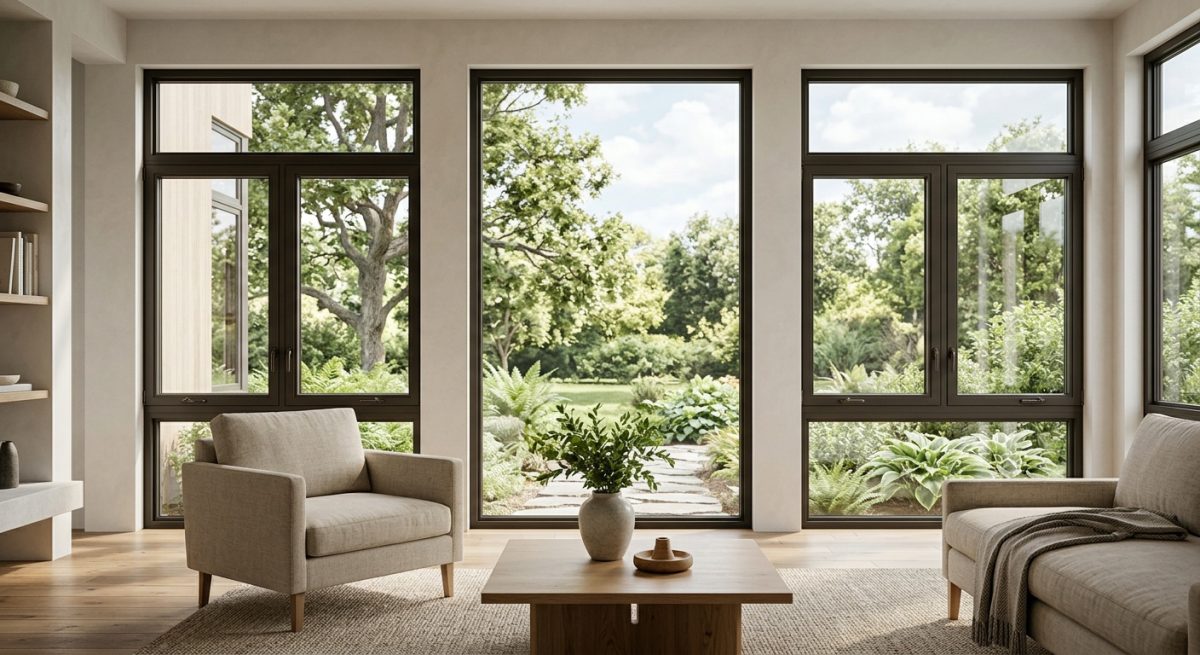
Thinking about new windows for your Tampa Bay home? You’ve probably seen Marvin windows mentioned. They’re a big name, and for good reason. But Marvin vinyl windows, things get a bit more specific. This guide is for homeowners in areas like Tampa, St. Petersburg, and Clearwater who want to make an informed decision and avoid common pitfalls. Choosing the right windows isn’t just about looks; it’s a significant investment in your home’s comfort, energy efficiency, and long-term value. Getting it wrong can mean drafts, sky-high energy bills, and headaches down the road.
Florida’s climate—think relentless sun, steamy humidity, and the occasional tropical storm—puts serious stress on a home’s building envelope. Homeowners here know that quality matters. Premium window options are appealing because they promise better insulation, reduced UV damage, and enhanced protection. Marvin, a well-respected manufacturer, often comes up in these conversations, and their vinyl offerings are a more budget-friendly entry point into their brand.
Windows aren’t a small purchase. They impact your energy bills every single month, your home’s curb appeal, and even its structural integrity. Making a misstep with something as crucial as Marvin vinyl windows can lead to costs far beyond the initial price tag. I’ve seen too many homeowners regret decisions made in haste or based on incomplete information. Let’s make sure that doesn’t happen to you.
Here’s the first thing you need to know: Marvin is most famous for its fiberglass and wood windows. Their vinyl products are a different beast altogether. While still a reputable brand, their vinyl line is designed to hit a different price point and market segment.
If you’re expecting the same bespoke craftsmanship and material prestige as their top-tier offerings, you might be surprised. Understanding this distinction is crucial before you even start looking at specific models.
Marvin’s core reputation is built on premium materials and customization. Their Ultimate and lines, for instance, feature strong fiberglass or warm wood interiors. The Marvin Essential line, which includes their vinyl options, is more about streamlined, dependable performance. This doesn’t mean it’s bad, far from it. It just means you’re getting a different value proposition. According to Window + Door Magazine’s 2025 State of the Industry Report, vinyl remains the most popular material for replacement windows due to cost-effectiveness, capturing nearly 60% of the market share.
Marvin’s vinyl windows typically offer solid construction, good energy efficiency ratings, and a range of standard sizes and styles. They often boast features like multi-chambered vinyl extrusions for insulation and reinforced frames.
The focus is on durability and ease of maintenance, which are definite pluses in our humid Florida environment. You’ll find options for Low-E glass coatings and argon gas fills, standard features on most reputable vinyl windows today.
Marvin vinyl windows are a smart pick if you want the Marvin name and a dependable vinyl product without breaking the bank. They’re excellent for standard replacement projects where budget is a significant factor, perhaps in a rental property or a home where you plan to move in a few years. That said, if you’re seeking the absolute highest thermal performance, unique custom shapes, or the aesthetic of real wood interiors, you might need to look at Marvin’s higher-end lines or other manufacturers entirely. It’s about matching the product to your specific needs and expectations.
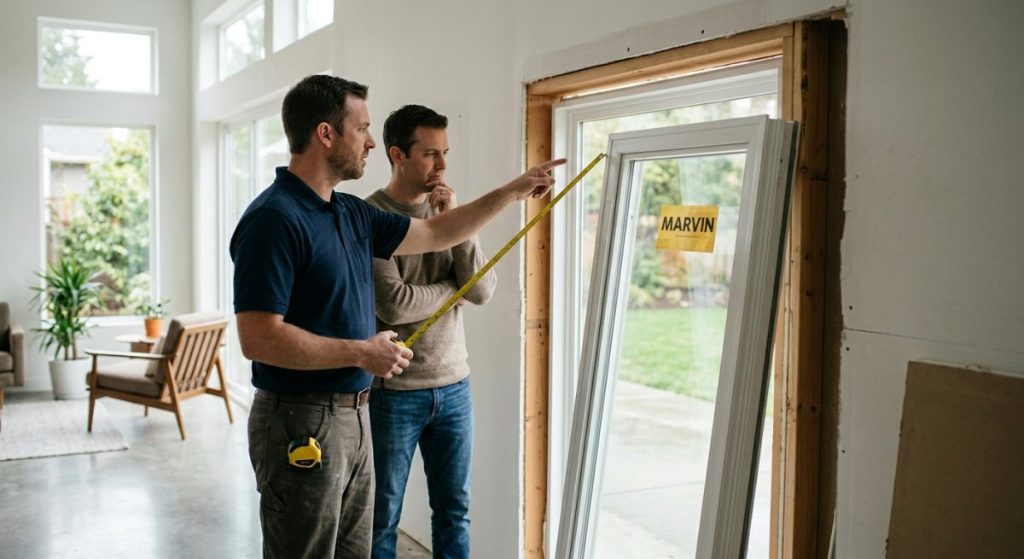
This is perhaps the most fundamental error, and it happens more often than you’d think. Getting the measurements wrong for your Marvin vinyl windows means trouble from the get-go. Even a fraction of an inch off can create significant installation headaches. We’re talking about gaps that let in air and water, leading to drafts, mold potential, and compromised energy efficiency. And trust me, nobody wants that, especially not in the sticky Tampa heat.
When replacement windows don’t fit snugly, installers have to get creative. This often involves shimming, extensive caulking, or even modifying the rough opening. These workarounds are rarely as effective as a perfectly sized window. Plus, it can void warranties. The National Association of Home Builders (NAHB) reports that improper installation accounts for nearly 30% of window-related service calls.
Look, I get the urge to DIY. It seems simple enough: grab a tape measure, get the numbers. But window measurement is tricky. You need to account for squareness, plumbness, and levelness of the existing opening, not just the visible glass. Older homes in areas like Ybor City or parts of Dunedin often have settled frames that aren’t perfectly square. A professional installer, especially one familiar with the diverse housing stock in Pinellas County, will have the tools and experience to get it right the first time. It’s a small cost upfront that saves potentially thousands in rework.
Many homes built before 1980 in areas like Safety Harbor or Tarpon Springs might have non-standard window openings. Plaster walls can be brittle, and original wooden frames might be warped. Measuring from the inside jamb might give you one number, but the exterior might reveal something different. Relying on the old window’s measurements is also a huge mistake, as they may have been ill-fitting from the start.
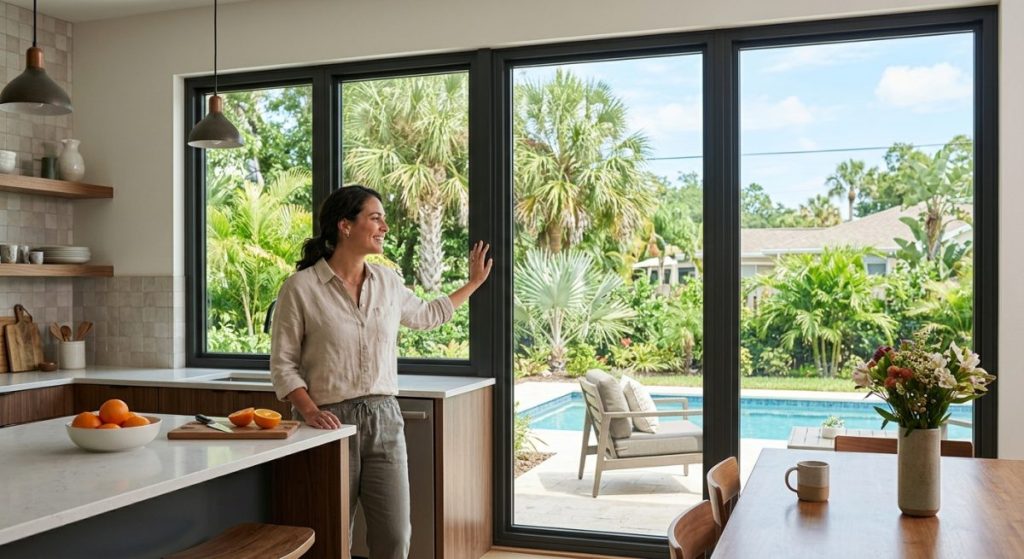
Okay, you’ve got the measurements sorted (or you’ll, with professional help). Now, what kind of window do you actually want? Marvin vinyl windows come in various styles, and picking the wrong one can impact everything from how you ventilate your home to how it looks from the curb. It’s not just about aesthetics; feature is key, especially here in Florida where airflow can be critical.
Think about each room. A double-hung window is classic and offers good ventilation control—you can open the top sash for hot air to escape or the bottom for fresh air. Casement windows crank open wide, providing excellent airflow, making them great for kitchens or living areas where you want to feel a breeze. Picture windows are fixed; they maximize light and views but offer no ventilation. Awning windows open from the bottom and are good for bathrooms or basements, even allowing ventilation during light rain. Sliding windows are simple and effective, often used in modern designs or for hard-to-reach spots.
Tampa Bay’s architecture is a mix. You’ve got historic bungalows in St. Pete, mid-century ranches in Clearwater, and newer coastal-inspired homes stretching from Bradenton to Sarasota. Double-hung and single-hung windows often suit traditional styles. Casement and awning windows can lend themselves to more contemporary or craftsman designs. Picture windows are versatile, adding a modern touch or enhancing a view. Consider how the window style complements your home’s existing character. A poorly chosen style can look jarring, like a sore thumb.
Generally, the material (vinyl) and the glass package are the biggest drivers of energy performance. Then again, some styles are inherently better at sealing. Casement windows, when properly sealed and locked, can offer a very tight seal. Fixed windows, like picture windows, have no moving parts to fail, so they tend to be very airtight. Double-hung windows, with their two moving sashes, have more potential points for air leakage, though good quality ones like Marvin’s Essential line minimize this significantly.
This is a HUGE one for Florida homeowners. The relentless sun and high humidity mean your air conditioning works overtime. Choosing windows that don’t prioritize energy efficiency is like throwing money out the window—literally.
You need to understand the jargon and select the right features for our climate. I can’t stress this enough: good energy efficiency pays for itself in cooling cost savings.
Look for the ENERGY STAR label. This signifies that the window meets or exceeds strict energy efficiency guidelines set by the U.S. Environmental Protection Agency. Two key metrics to understand are U-factor and Solar Heat Gain Coefficient (SHGC). U-factor measures how well a window prevents heat from escaping your home (lower is better). SHGC measures how well a window blocks heat from the sun (lower is better in hot climates like Tampa). For our region, you’ll want a low U-factor (around 0.30 or lower) and a very low SHGC (0.25 or lower is ideal).
These are your best friends in the fight against heat gain. Low-E (low-emissivity) coatings are microscopically thin, transparent layers applied to the glass surface. They reflect infrared heat, keeping heat outside during the summer and inside during the winter. Argon or Krypton gas fills between the panes of glass are denser than air and provide additional insulation, further reducing heat transfer. Marvin Essential vinyl windows typically offer these options, but you must specify them.
The U.S. Department of Energy estimates that homeowners can save up to 15% on their annual energy bills by replacing old, inefficient windows with ENERGY STAR certified ones. For a home in Lakeland or Sarasota, where cooling costs can be substantial, this can translate to hundreds of dollars saved each year.
Over the 20-30 year lifespan of your Marvin vinyl windows, those savings add up considerably. It’s not just an upfront cost; it’s a long-term investment in reduced utility expenses.
According to the Florida Solar Energy Center, selecting windows with a low Solar Heat Gain Coefficient (SHGC) is paramount for reducing cooling loads in the state. Windows with an SHGC of 0.25 or lower can significantly decrease the amount of solar heat entering a home, leading to substantial energy savings.
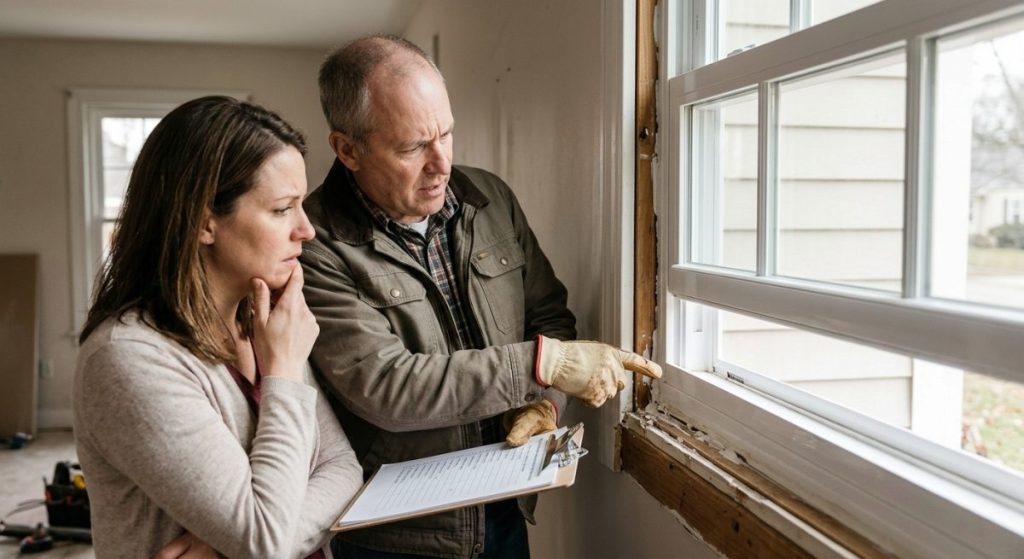
I’m going to be blunt here: don’t do it. Resist the temptation to save a few bucks by installing your new Marvin vinyl windows yourself. Window installation is a skilled trade. It requires precision, the right tools, and an understanding of building science that the average homeowner just doesn’t have. I’ve seen DIY installations go wrong, and the consequences are almost always more expensive than hiring a pro from the start.
Improper installation is the leading cause of window failure. This includes air and water leaks, difficult operation, condensation between panes, and even structural damage to your home. , many manufacturers, including Marvin, will void the warranty if their windows aren’t installed by a certified professional. Think about the complexity: ensuring the frame is perfectly plumb and level, properly flashing and sealing against water intrusion, and securely fastening the unit. It’s a lot. And if you mess up the flashing in a place like Brandon or Riverview, water can get into your walls, leading to rot and mold—a homeowner’s nightmare.
When looking for installers in areas like St. Petersburg, Clearwater, or Largo, ask potential contractors if they’re certified Marvin installers. Check their reviews on Google and the Better Business Bureau (BBB). Ask for references and actually call them. A good installer will be knowledgeable about local building codes, experienced with different home styles in the area, and able to explain the installation process clearly. Don’t be afraid to ask questions about their warranty on labor.
Marvin’s limited warranty typically covers defects in materials and workmanship for a specified period. Still, this warranty is often contingent on proper installation. If a window fails because it wasn’t installed correctly, Marvin may deny the claim. This leaves you footing the bill for both the faulty window and the subsequent repairs. A professional installation, especially when done by an authorized dealer, often comes with its own labor warranty, providing you with a double layer of protection.
It’s easy to get fixated on one brand or material. But before you commit to Marvin vinyl windows, you owe it to yourself to do a little comparison shopping.
The market is full of excellent options, and understanding where Marvin vinyl fits in terms of price, performance, and features will help you make the absolute best choice for your home and budget.
Marvin Essential vinyl windows generally sit in the mid-to-upper tier of the vinyl window market. They compete with brands like Andersen (their 200 and 400 series vinyl), Pella (their vinyl lines), and MI Windows & Doors. You might find that some competitors offer similar features at a slightly lower price point, while others might offer superior performance in specific areas, like impact resistance for coastal areas. It’s worth checking out local Florida manufacturers too, as they often understand regional needs best.
If your budget allows and your priorities lean towards maximum energy efficiency, durability, or a premium aesthetic, consider Marvin’s own (fiberglass exterior, wood interior) or Ultimate (wood interior, fiberglass or wood exterior) lines. Fiberglass is incredibly strong, stable, and energy-efficient, resisting expansion and contraction better than vinyl.
Wood offers unparalleled beauty and a classic feel but requires more maintenance and is generally more expensive. For a historic home in Plant City or a luxury residence in Sarasota, these might be the better, albeit pricier, choice.
Here’s a rough breakdown of cost, from lowest to highest, per window (installed):
| Material | Typical Price Range (Installed) | Key Considerations |
|---|---|---|
| Basic Vinyl | $300 – $600 | Most affordable, wide variety, can warp/fade over time. |
| Marvin Essential (Vinyl) | $450 – $800 | Good balance of quality and price, reliable brand name. |
| Fiberglass (e.g., Marvin ) | $600 – $1,000+ | Excellent durability, stability, energy efficiency, low maintenance. |
| Wood (e.g., Marvin Ultimate) | $700 – $1,200+ | Aesthetic beauty, superior insulation, requires regular maintenance. |
These are estimates for 2026 and can vary widely based on size, style, glass packages, and installation complexity in areas like Wesley Chapel or Brooksville.
We’ve touched on this, but it bears repeating: Florida’s climate is unique and demanding. Your windows need to be equipped to handle it. What works perfectly in Chicago might not cut it in St. Pete Beach or Anna Maria Island. Thinking about our specific environmental challenges is non-negotiable when selecting any window, including Marvin vinyl.
If you live anywhere near the coast—from Clearwater Beach down to Siesta Key—salt spray is a major factor. Salt air is corrosive. You need window hardware (like hinges, locks, and cranks) that’s resistant to corrosion. Many vinyl windows use standard steel hardware that can rust relatively quickly in a salt-heavy environment. Look for stainless steel or specialized coated hardware. Vinyl itself holds up well against salt, but the moving parts are often the weak link. A quick search for “salt spray corrosion resistance window hardware standards” will show you what to look for.
Florida is hurricane territory. While standard vinyl windows offer some protection, they’re not typically designed for high-wind, debris-laden storms. If you’re in an area prone to strong winds or want extra peace of mind, consider impact-resistant glass options or even impact-rated window frames. These are designed to withstand the force of flying debris. Marvin does offer impact-rated options, but they often come at a premium and might be available more readily on their higher-end lines rather than the standard Essential vinyl. Check Florida Building Code (FBC) ratings for your specific area.
High humidity means that proper ventilation is key to preventing mold and mildew growth inside your home. Windows that can be easily opened and closed to allow for cross-ventilation are beneficial. Beyond that, ensure your windows are properly sealed during installation.
Any gaps can allow humid outdoor air to infiltrate your conditioned space, increasing the load on your AC and potentially leading to condensation issues on interior surfaces. Good window choices support overall indoor air quality.
So, are Marvin vinyl windows a good choice for your Tampa Bay home in 2026? The answer is: maybe. They offer a solid, reliable option from a reputable brand, often at a more accessible price point than Marvin’s premium lines. But you absolutely can’t afford to make these common mistakes. Understand what you’re buying—Marvin vinyl is good, but it’s not their top-tier fiberglass or wood. Measure meticulously (or better yet, hire a pro). Choose styles and features that fit your home and our unique climate, especially focusing on energy efficiency and coastal durability. And for goodness sake, hire a qualified installer.
Choosing new windows is a significant decision. By avoiding these seven critical errors, you’ll be well on your way to selecting Marvin vinyl windows—or any windows, for that matter—that will enhance your home’s comfort, efficiency, and value for years to come.
Marvin vinyl windows offer a balance of quality and affordability, but it’s essential to understand their specific features compared to Marvin’s premium lines and competitor offerings. We’ll help you weigh the value.
Pricing varies greatly based on size, style, features, and installation. We’ll provide factors to consider for accurate budgeting in locations like Clearwater, Largo, and Sarasota.
With proper installation and maintenance, Marvin vinyl windows can last 20-30 years or more, but Florida’s climate presents unique challenges we’ll discuss.
Based on this article, here are products that might help you:

Enjoy exceptional hurricane protection, effortless everyday performance and added ventilation with CWS WindPact impact awning…
View Product
Protect a home with WindPact casement windows from CWS’ highest rated vinyl impact product line….
View ProductDon't let common mistakes compromise your investment. Contact us today for a free consultation and expert guidance on selecting and installing the perfect windows for your Tampa Bay home.

Our editorial team brings years of experience in digital marketing and SEO.