8414 Sabal Industrial Blvd, Tampa, FL 33619

Hurricane Strong. STH Strong

Mon – Fri 8:00AM – 5:00OM / Sat-Sun – Closed

Cheap Windows and Doors: 7 Incredible Savings Secrets 2026

June 7, 2026 · Step-by-Step Guide

Cheap Windows and Doors: 7 Incredible Savings Secrets 2026 - featured image
Cheap Windows and Doors: 7 Incredible Savings Secrets 2026

0 of 12 steps complete ·

Savings: Your Guide to Cheap Windows and Doors in 2026

Let’s be honest, nobody wants to overpay. If you’re in the market for cheap windows and doors in 2026, you’re making a smart choice. Upgrading your home’s windows and doors can feel like a massive expense, but it doesn’t have to be. This guide is for homeowners in the Tampa Bay area and beyond who want to improve their homes without breaking the bank. We’ll cut through the fluff and show you exactly how to find affordable, high-quality options that won’t compromise on looks or performance. You can absolutely get beautiful, functional windows and doors on a budget.

The promise of affordable upgrades is real. New windows and doors can transform your home, improving curb appeal, boosting energy efficiency, and increasing comfort. But the price tag can be daunting. This guide will equip you with the insider knowledge to explore the market, spot the best deals, and make informed decisions that lead to significant savings. Ready to get started? First things first.

The Promise of Affordable Upgrades

Investing in new windows and doors is a smart move for any homeowner. They’re not just about looks; they’re crucial for your home’s energy efficiency, security, and overall comfort. Even on a tight budget, you can achieve a fantastic upgrade. This guide will help you understand the benefits of new windows and doors, even when aiming for cheap windows and doors, and you to make choices that save you money both upfront and in the long run. You’ll learn how to maximize value and get the most bang for your buck. From enhancing your home’s curb appeal to reducing your monthly utility bills, the advantages are substantial and far-reaching.

What You’ll Need Before You Start

Before you even start browsing, get organized. You need to know what you’re dealing with. First, assess your current situation. Are your existing windows drafty? Are the doors sticking? Understanding the specific problems you need to solve will help you prioritize. Next, set a realistic budget. And I mean *realistic*. Know your absolute maximum spend. Then, grab a tape measure. You’ll need basic measurements of your window and door openings. Don’t worry about perfect precision yet, but get a ballpark figure. This initial prep work saves a ton of time and prevents you from falling in love with something that’s completely out of reach. Gathering this information upfront will also make you a more informed consumer when speaking with suppliers and installers.

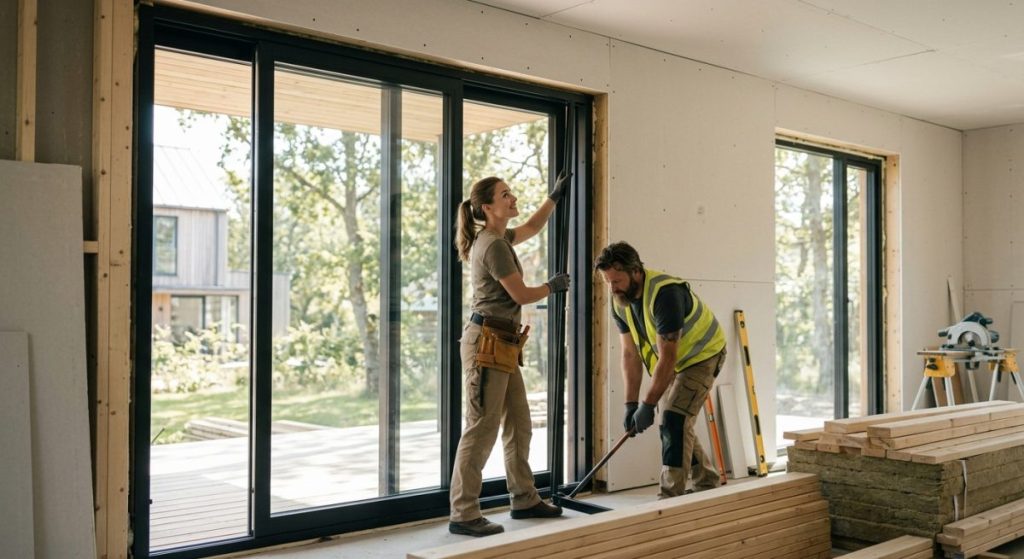
Unlock Savings: Your Guide to Cheap Windows and Doors in 2026 illustration for cheap windows and doors

Secret #1: Smart Shopping for Cheap Windows and Doors

This is where the real savings begin. It’s not just about finding the lowest price tag; it’s about being strategic. I’ve seen people walk into showrooms and just point at what looks nice, then get sticker shock. That’s not smart shopping. Smart shopping means understanding the market, the materials, and the best times to buy. And trust me, there are definitely better times than others. Being an informed shopper is your first line of defense against overpaying.

When you’re on the hunt for cheap windows and doors, timing can be everything. Manufacturers and retailers often run sales during certain periods. Think late fall or early spring. Why? Contractors are often less busy, and companies want to clear out inventory before the next big season or bring in new models. You might find 10-20% off during these windows. Keep an eye out for holiday sales too, though those can be more hit-or-miss. Planning your purchase around these sales can lead to significant discounts, making those desired upgrades more attainable.

Timing Your Purchase for Maximum Savings

If you can swing it, avoid buying windows and doors during peak renovation seasons—usually late spring and summer. That’s when demand is highest, and so are prices. Instead, aim for the shoulder seasons. Late fall, after the summer rush but before the holidays, can be a sweet spot. Some contractors are looking to fill gaps in their schedules, and suppliers might offer incentives to move inventory. Similarly, early spring, before everyone starts their major outdoor projects, can present opportunities. You’re looking for manufacturer promotions or seasonal clearances. Say I’ve seen companies offer 15% off orders placed in October or February. Being patient and strategic with your timing can result in hundreds of dollars saved.

Understanding Different Window and Door Materials

This is crucial, especially for us here in Florida. The climate really dictates what makes sense long-term. You’ve got a few main players:

  • Vinyl: This is usually your most budget-friendly option. It’s durable, low-maintenance, and holds up well against humidity and salt air – a big plus for coastal areas like St. Petersburg and Clearwater. It’s also pretty decent for energy efficiency, often featuring double-paned glass and low-E coatings even in budget models.
  • Aluminum: Lighter and stronger than vinyl, but can be a thermal conductor, meaning it can get hot in the Florida sun and transfer that heat inside. They’re often found in older homes and are generally less energy-efficient unless they have thermal breaks, which increases cost.
  • Wood: Beautiful, classic. But, it requires a lot of maintenance, especially in humid climates. It can warp, rot, or be susceptible to pests. Generally not the best choice for Florida if you’re prioritizing low cost and low upkeep, as repairs and refinishing can become expensive over time.
  • Fiberglass: A more premium option. It’s strong, energy-efficient, and durable, mimicking the look of wood without the maintenance issues. Then again, it typically comes with a higher price tag. Might be worth considering if you find a great deal or prioritize its benefits over absolute cheapest, as its longevity can offset initial costs.
  • Composite: A blend of materials, offering a balance of durability and cost. Can be a good middle-ground option depending on the specific composition and manufacturer.

For most folks looking for cheap windows and doors that still perform, vinyl is the sweet spot in Florida. It balances cost, durability, and efficiency well. When considering materials, always think about the long-term maintenance and energy costs associated with each option, not just the initial purchase price.

Navigating Retailers and Online Marketplaces

Where you buy matters. Big-box stores like Home Depot or Lowe’s are obvious starting points. They have a wide selection and frequent sales. But don’t stop there. Look for local lumber yards or building supply stores; sometimes they have better deals on builder-grade or slightly older stock. And then there are online retailers. Websites specializing in windows and doors can offer competitive pricing, especially if you know exactly what you need. Just be sure to factor in shipping costs and double-check return policies. For areas like Largo or Pinellas Park, exploring local options first might surprise you with better deals than you’d expect. Don’t underestimate independent dealers who may have access to specialized or clearance inventory.

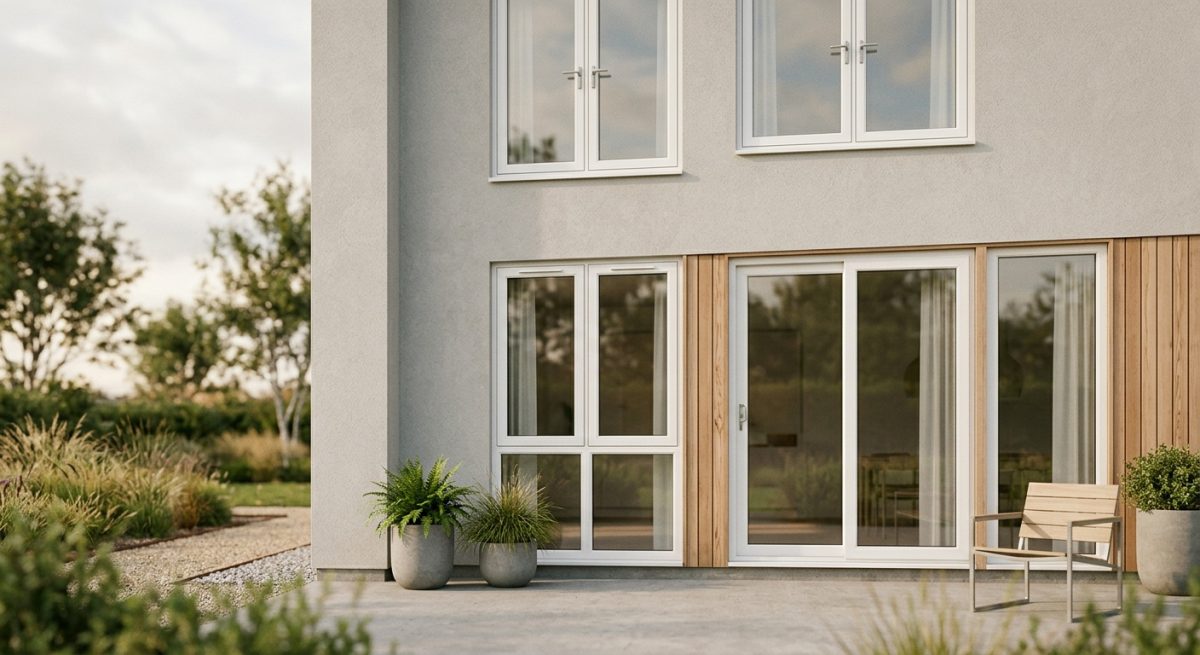
Secret #1: Smart Shopping for Cheap Windows and Doors illustration for cheap windows and doors

Secret #2: The Power of Standard Sizes for Cheap Windows and Doors

This is, hands down, one of the biggest money-savers. Custom sizes? They cost a pretty penny because they’re made to order. Standard sizes? They’re mass-produced, which slashes manufacturing costs. It’s simple economics. By aligning your needs with what’s readily available, you significant savings.

If you want truly cheap windows and doors, stick to the standard dimensions. Seriously, it’s a for your budget. Most manufacturers produce windows and doors in a set range of common sizes. These are readily available, often in stock, and significantly less expensive than anything custom-built. This strategy is particularly effective if you’re doing a full replacement of multiple units, as you can order a larger quantity of standard sizes at a reduced per-unit cost.

Why Standard Sizes Save You Money

Think about it like buying off-the-rack versus getting a tailored suit. Off-the-rack is cheaper because it’s made in bulk using established patterns and processes. Custom is expensive because it requires individual attention, specialized machinery, and more labor. The same applies to windows and doors. Standard sizes are manufactured efficiently in large quantities. This means lower material waste, optimized production lines, and faster turnaround times. All these efficiencies translate directly into lower prices for you. It’s a non-negotiable for budget-conscious buyers. When comparing quotes, always ask for the price difference between a standard size and a custom size for the same product; the disparity is often eye-opening.

Measuring Your Openings Accurately

This is critical. You need to measure your rough openings—the space between the studs where the window or door unit will sit. Measure in three places for both width and height: top, middle, and bottom for width; left, center, and right for height. Use the smallest measurement for each dimension. Always measure from the inside of the opening. For replacement windows that fit into an existing frame, you’ll measure the old window unit itself, from jamb to jamb for width and from sill to head for height. Do this for Dunedin or Tarpon Springs homeowners; accuracy prevents costly mistakes. Always round down to the nearest standard size if your measurements fall between two. A slightly smaller window can be shimmed and sealed effectively, whereas a window that’s too large will require costly modifications or a custom order.

Accuracy is key:

  • Measure the width of the rough opening at the top, middle, and bottom. Use the smallest measurement.
  • Measure the height of the rough opening on the left, center, and right. Use the smallest measurement.
  • For replacement windows, measure the old unit’s width (jamb to jamb) and height (sill to head).
  • Always double-check your measurements!

Working with Existing Frames

Sometimes, you don’t need to rip everything out down to the studs. If your existing frames are in decent shape—not rotted or severely damaged—you can often install new, standard-sized replacement windows directly into them. This is called a “replacement” or “insert” installation. It saves on labor and the mess of demolition. You’ll still need to measure carefully, as mentioned above, to ensure the new unit fits snugly. If the frames are a bit rough, you might need to do some minor repairs or add shims to create a solid surface for the new window to seal against. This is a common and effective way to upgrade affordably, often reducing installation time and cost by 20-30% compared to full-frame replacements.

Secret #2: The Power of Standard Sizes for Cheap Windows and Doors illustration for cheap windows and doors

Secret #3: Refurbishing vs. Replacing: A Budget-Friendly Approach

Before you jump into buying new, take a hard look at what you already have. Sometimes, the most cheap windows and doors solution is to fix what’s already there. Replacement is great, but it’s not always necessary. Refurbishing can save you a ton of cash and still give you a significant improvement. A well-maintained older window can often outperform a poorly installed cheap new one.

I’ve seen old, tired-looking windows brought back to life with a little elbow grease and the right materials. It’s not always glamorous, but it’s effective. This approach requires a bit of honest assessment of your current units. Consider the lifespan of your current windows and doors; if they’re relatively new but just cosmetically challenged or slightly drafty, refurbishment is likely the best path.

Assessing the Condition of Your Current Units

Walk around your house. Feel for drafts near the windows and doors. Check the weatherstripping; is it cracked, brittle, or missing? Look at the frames. Any signs of rot, especially around the bottom sills? For doors, check the seals and the hardware. Are the hinges sagging? Does the door close tightly? If the frame is solid, the glass isn’t broken, and the primary issue is drafts or cosmetic wear, repair might be your best bet. Major structural damage or completely failed seals, however, often signal that replacement is the smarter long-term play. Pay close attention to condensation between panes, which indicates seal failure and necessitates replacement.

DIY Refurbishment Techniques

There’s a lot you can do yourself. For drafty windows, replacing old, dried-out weatherstripping is a huge win. You can buy rolls of foam or rubber seals at any hardware store for just a few dollars. Caulk is your best friend for sealing small gaps around the frame where it meets the wall. If the paint is peeling, a good sanding and a fresh coat can make a world of difference visually. For doors, lubricating hinges, replacing worn-out sweeps at the bottom, or even just tightening loose hardware can solve many problems. These aren’t complicated tasks, and they cost very little, often under $50 for a significant improvement on multiple windows.

When to Call a Professional for Repairs

Okay, DIY is great, but know your limits. If you find significant rot in the window or door frame itself—not just cosmetic surface stuff—it needs professional attention. That kind of damage can compromise the structural integrity of the opening. Also, if a window pane is cracked or broken, that’s a job for a glazier.

For doors, if the frame is so warped that the door won’t seal properly even after adjustments, or if the door itself is bowing significantly, it might be time for a replacement. Don’t risk your home’s security or energy efficiency on a repair you’re not confident in. Sometimes paying a pro for a tricky repair is still cheaper than a full replacement, but weigh this against the cost of a new, warrantied unit.

Secret #4: Exploring Energy Efficiency for Long-Term Savings

When you’re looking for cheap windows and doors, it’s easy to overlook energy efficiency. But that’s a mistake. The cheapest option upfront might cost you way more in higher utility bills down the line, especially here in Florida’s intense heat. Investing in even moderately energy-efficient windows and doors pays for itself over time. Prioritizing efficiency can turn an upfront cost into a long-term investment that generates savings.

Think about your air conditioning running non-stop during the summer. Old, leaky windows let that cool air escape and hot air seep in. It’s like trying to fill a leaky bucket. Making your windows and doors more efficient means your HVAC system doesn’t have to work as hard. This saves you money every single month. It’s a crucial consideration for any Tampa homeowner. Choosing windows with a low U-factor and a low Solar Heat Gain Coefficient (SHGC) is paramount in our climate.

Understanding ENERGY STAR Ratings

ENERGY STAR is a program run by the U.S. Environmental Protection Agency and the U.S. Department of Energy. Products that earn the ENERGY STAR label meet strict energy efficiency guidelines set by these agencies. For windows, this means they reduce heat transfer—keeping heat out in the summer and in during the winter. Look for the ENERGY STAR label on the windows you’re considering. It’s a reliable indicator that the product is more energy-efficient than standard models. According to the ENERGY STAR program, homeowners can save an average of 10% on their utility bills by using products with the label. You can learn more about ENERGY STAR ratings and find certified products on their official website. This label simplifies the selection process by highlighting products that meet high-efficiency standards.

ENERGY STAR certified windows can significantly reduce heating and cooling costs, contributing to a more comfortable home environment and lower monthly bills. They’re designed to minimize heat transfer, keeping your home cooler in the summer and warmer in the winter, leading to substantial energy savings.

Low-E Coatings and Gas Fills

You’ll often hear terms like “Low-E” and “argon gas.” What do they mean for your wallet? Low-Emissivity (Low-E) coatings are microscopic, transparent layers applied to the glass surface. They reflect infrared light (heat). In summer, they keep the sun’s heat out; in winter, they keep your home’s heat in. Argon or krypton gas fills are denser than air and are used between the panes of double- or triple-pane windows. They further reduce heat transfer. While these features add a bit to the initial cost, they’re often available on more budget-friendly window lines and offer substantial long-term energy savings. For the Tampa, St. Petersburg, and Clearwater heat, Low-E coatings are a big deal, significantly reducing the amount of solar heat gain entering your home.

Impact on Your Tampa Home’s Energy Bills

In our climate, air conditioning accounts for a massive chunk of the electricity bill. Old, inefficient windows can be responsible for up to 30% of that energy loss. Upgrading to ENERGY STAR certified windows, even budget vinyl ones with good Low-E coatings, can reduce this loss considerably. You might not see a dramatic difference with just one window, but replacing several throughout your house adds up. Homeowners in the Bay Area can expect to see noticeable reductions in their cooling costs, potentially saving hundreds of dollars annually. It’s an investment that truly pays off, improving comfort and reducing environmental impact.

Pro Tip: When comparing windows, look at the U-factor and Solar Heat Gain Coefficient (SHGC). Lower U-factors mean better insulation. Lower SHGC means less solar heat enters your home, which is crucial for sunny Florida climates. Aim for a U-factor of 0.30 or lower and an SHGC of 0.25 or lower for best performance in Florida.

Secret #5: DIY Installation vs. Professional Installation of Cheap Windows and Doors

So you’ve found some fantastic cheap windows and doors. Awesome. Now, who’s putting them in? This is a huge decision that impacts both cost and quality. Doing it yourself can save a lot of money, but it’s not for everyone. Professional installation costs more upfront, but it often guarantees a better, longer-lasting result. Weighing these factors is crucial for maximizing your savings and ensuring a successful project.

I’ve seen DIY jobs go beautifully, and I’ve seen them turn into absolute nightmares. It really depends on your skill set and the complexity of the job. You need to be honest with yourself here. If you lack experience with tools, precise measurements, and sealing techniques, the cost of fixing mistakes can quickly outweigh any initial labor savings.

The DIY Route: Potential Savings and Risks

The main draw of DIY is, obviously, cost savings. You avoid the labor charges, which can be substantial – sometimes half the total project cost. You also get the satisfaction of doing it yourself. Still, the risks are real. Improper installation can lead to drafts, leaks, poor energy efficiency, and even structural damage. If you mess up the sealing, you’ll have water intrusion issues. If you don’t square the unit properly, it won’t operate smoothly. Plus, many manufacturers won’t honor warranties if the product isn’t installed by a certified professional. For a simple replacement window into an existing frame, DIY might be feasible. For a new construction opening or a complex bay window? Probably not. The potential for costly callbacks and repairs should be factored into your DIY cost analysis.

When to Hire a Professional Installer

If you’re not comfortable with carpentry, basic framing, and ensuring a perfect seal, hire a pro. Professionals have the tools, experience, and knowledge to get it done right the first time. They understand building codes, proper flashing techniques, and how to achieve an airtight seal. A good installation also ensures your new windows and doors operate smoothly and effectively for years. Plus, professional installers usually offer a warranty on their labor, giving you extra peace of mind. This is especially true if you’re dealing with impact-resistant windows, which have specific installation requirements in Florida. A professional installation ensures the product performs as intended and maintains its warranty.

Finding Affordable Local Installers in the Bay Area

If you decide to go the professional route, how do you find someone without overpaying? Start with recommendations from friends, family, or neighbors in areas like Dunedin, Tarpon Springs, or Palm Harbor. Get at least three quotes from different reputable companies. Ask for proof of licensing and insurance. Don’t just go with the lowest bid; consider their reviews, reputation, and the warranty they offer on their work. Sometimes a slightly higher price from a trusted installer is a much better deal than a cheap install that needs fixing later. Also, ask if they offer package deals if you’re buying the windows and doors through them. The U.S. Department of Housing and Urban Development (HUD) offers resources for finding qualified contractors, and local building associations can also be a good source of referrals. Ensure any contractor you hire is familiar with Florida building codes and wind-load requirements.

Installation Type Pros Cons Typical Cost Factor
DIY Significant cost savings on labor. Sense of accomplishment. Full control over the process. Requires skill & tools. High risk of errors (leaks, drafts, damage). Potential for voided manufacturer warranties. Very time-consuming. Lowest
Professional (Supply & Install) Expertise ensures proper fit & function. Labor warranty. Saves homeowner significant time and hassle. Often better pricing on materials through volume. Higher upfront cost. Less control over specific material selection sometimes. Dependent on contractor’s schedule. Highest
Professional (Labor Only) Ensures professional installation quality. Labor warranty. Can potentially buy own materials for cheaper overall cost if sourced wisely. Requires homeowner to source & coordinate material delivery. Risk of material incompatibility or delays if not planned meticulously. Less overall cost savings than DIY. Medium

Secret #6: Utilizing Rebates and Tax Credits for Window & Door Upgrades

This is where you can really knock down the price of even moderately priced windows and doors. Governments and manufacturers often offer incentives to encourage homeowners to make energy-efficient upgrades. You absolutely should be looking into these if you want the most affordable path. These programs are designed to offset the initial cost of energy-saving improvements.

Don’t leave money on the table! These programs exist specifically to help homeowners like you save. It just takes a little digging to find them. Staying informed about available incentives can significantly reduce your out-of-pocket expenses, making energy-efficient upgrades more accessible than you might think.

Federal and State Energy Tax Credits for 2026

The U.S. Government often provides tax credits for energy-efficient home improvements through programs like the Residential Clean Energy Credit. For 2026, these credits typically cover a percentage of the cost of qualifying windows, doors, and other upgrades. You’ll need to ensure the products you buy meet specific energy performance criteria (like U-factor and SHGC ratings). The federal tax credit for energy-efficient home improvements is often 30% of the cost, up to a certain annual limit. Take the Inflation Reduction Act extended and enhanced these credits. It’s essential to check the latest IRS guidelines or consult a tax professional, as these can change. Florida itself might have specific local programs, though federal incentives are usually the most significant. Always consult IRS Form 5695 for details.

Key Takeaway: Federal tax credits for energy-efficient windows and doors can significantly reduce your net cost. Ensure purchased products meet ENERGY STAR specifications and keep all receipts and manufacturer documentation. Verify current eligibility requirements annually.

Manufacturer and Utility Company Rebates

Beyond tax credits, many window and door manufacturers offer their own rebates. These are often advertised during specific promotional periods. Keep an eye on the websites of brands you’re considering. Also, check with your local utility company. Companies like Tampa Electric or Duke Energy sometimes offer rebates for customers who install energy-efficient windows or doors, as it helps reduce overall demand on the grid. These rebates can range from $50 to several hundred dollars per unit, depending on the program and the product’s efficiency. It’s definitely worth a call or a click to their websites. Some utility rebates may require specific product certifications beyond ENERGY STAR.

Keeping Records for Maximum Benefit

This is crucial for claiming any tax credit or rebate. You need proof of purchase. Keep all your original receipts, invoices, and any manufacturer specification sheets that confirm the product meets the required energy efficiency standards. For tax credits, you’ll likely need to file a specific form with your tax return.

For rebates, you’ll need to submit an application along with copies of your proof of purchase. Missing documentation is the fastest way to miss out on these savings. So, file everything neatly in a project folder from day one. Organizing these documents will the application process and prevent potential loss of benefits.

According to the U.S. Department of Energy, the federal tax credit for energy-efficient home improvements can cover 30% of the cost of qualifying upgrades, up to annual limits, providing a substantial incentive for homeowners. Ensure your chosen products meet the specific performance criteria outlined by the DOE.

Secret #7: Financing Options for Your Window and Door Project

Even with all these savings secrets, a full window and door replacement can still be a significant investment. If you need to spread the cost, there are several financing avenues to explore. Understanding your options can make a big project much more manageable. Don’t let the initial price tag deter you from essential home improvements.

Don’t let the upfront cost scare you away from making necessary improvements. Smart financing can make it happen. Exploring these options allows you to budget effectively and proceed with your project without undue financial strain.

Home Equity Loans and Lines of Credit

If you own your home and have built up equity, tapping into it’s often a cost-effective way to finance larger projects. A Home Equity Loan provides a lump sum of cash, while a Home Equity Line of Credit (HELOC) works more like a credit card, allowing you to draw funds as needed up to a certain limit. Interest rates on these are typically lower than personal loans or credit cards because they’re secured by your home. This could be a good option for a large-scale replacement project across your entire house in areas like Brandon or Riverview. Remember that borrowing against your home equity puts your home at risk if you can’t repay the loan.

Contractor Financing and Special Offers

Many window and door companies, especially larger ones serving the Tampa Bay region, offer their own financing plans. These can range from low-interest loans to special deferred payment options or even 0% interest for a limited period. While convenient, always read the fine print carefully. Understand the interest rate after the promotional period ends, any fees involved, and the total cost of borrowing. Sometimes, these offers are tied to specific product lines, so ensure they align with your goals for affordable, quality windows and doors. Compare these offers against other financing options to ensure they’re truly the best deal.

Personal Loans and Credit Cards

For smaller projects or if you have excellent credit, a personal loan from a bank or credit union might be an option. These typically have fixed interest rates and repayment terms. Using a credit card with a 0% introductory APR can also be a way to finance a project interest-free, provided you can pay off the balance before the promotional period expires.

Still, be cautious; if you carry a balance after the intro period, credit card interest rates can be very high, making this a potentially expensive choice for larger purchases. Personal loans offer predictable payments but may have higher interest rates than home equity options.

Troubleshooting Common Issues with Cheap Window & Door Projects

Even with the best planning, things can go sideways. When you’re focused on affordability, you need to be extra vigilant. Here are a few common hiccups and how to manage them. Being prepared for potential problems can save you time, money, and stress.

Don’t let potential problems derail your savings plan. A little foresight goes a long way. Addressing issues promptly and correctly is key to ensuring your investment provides long-term value.

Finding Quality Within a Budget

The biggest risk with seeking cheap windows and doors is ending up with low-quality products or falling prey to a scam. Not all “deals” are actually deals. Always research the brand and the seller. Read online reviews – not just the glowing ones. If a price seems too good to be true, it probably is. Focus on value: the best combination of price, durability, and warranty for your budget. Sometimes spending a little more upfront on a reputable, budget-friendly brand saves money in the long run by avoiding replacements or costly repairs. Look for manufacturers with a solid track record and good customer service.

Installation Errors and How to Fix Them

As we discussed, installation is key. If you DIY and notice drafts or leaks after installation, the first step is to re-inspect your work. Check caulking and weatherstripping seals. Ensure all weep holes are clear. If you hired an installer and are having issues, contact them immediately. A reputable installer will stand by their work and come back to fix any problems caused by their installation. Document the issue with photos or videos. If they refuse to address it, you might need to consult a contractor for repairs and potentially pursue dispute resolution. Proper flashing and sealing are critical to prevent water damage and air infiltration.

Dealing with Unexpected Costs

Projects rarely go exactly as planned. You might discover unexpected rot in a window frame that needs repair, or find out that your existing electrical wiring needs to be moved for a new door installation. Always build a contingency fund into your budget—at least 10-15% of your estimated total cost.

This buffer can cover unforeseen issues without forcing you to compromise on quality or take on expensive last-minute financing. Communicate with your contractor about any potential surprises as soon as they arise. Documenting all changes and additional costs in writing is essential.

Pro Tip: Always get a detailed contract from your installer that outlines the scope of work, materials used, timeline, warranty information, and payment schedule. This protects you from unexpected charges and misunderstandings. Ensure it specifies warranty coverage for both materials and labor.

Expected Results: The Value of Smart Savings on Windows and Doors

So, what’s the payoff for all this smart shopping and careful planning? It’s more than just saving money upfront. Implementing these strategies for finding cheap windows and doors leads to tangible, long-term benefits that enhance your home and your life. The value extends beyond the initial financial savings.

You’re not just buying windows and doors; you’re investing in your home’s future. This investment yields returns in comfort, energy efficiency, home value, and peace of mind.

Enhanced Home Value and Aesthetics

New windows and doors instantly boost your home’s curb appeal. A fresh look can make your house feel more inviting and modern. This aesthetic improvement also translates to increased market value. For homeowners in desirable areas like Sarasota or Bradenton, updated, energy-efficient windows and doors can be a significant selling point, potentially recouping a large portion of your investment when you decide to sell. It’s a win-win: enjoy a better-looking home now and potentially higher resale value later. Consider how the style and color of your new windows and doors complement your home’s existing architecture.

Improved Comfort and Energy Savings

This is where you’ll see the most consistent return. Properly installed, energy-efficient windows and doors mean a more comfortable home. No more chilly drafts in the winter or excessive heat radiating in the summer. Your HVAC system will run less, leading to lower energy bills month after month. Over the lifespan of the windows and doors—which can easily be 20-30 years or more—these energy savings add up significantly, far outweighing the initial cost, especially in Florida’s climate. This sustained comfort and cost reduction are key benefits of choosing wisely.

Peace of Mind with Your Investment

There’s a certain satisfaction that comes from knowing you made a smart purchase. By carefully researching, choosing the right materials, opting for standard sizes, and taking advantage of all available discounts and incentives, you can feel confident in your decision. You’ve upgraded your home without overspending, ensuring quality and durability for years to come.

That peace of mind is, in its own way, invaluable. Knowing you’ve secured a good deal while still getting a quality product provides lasting satisfaction.

Frequently Asked Questions

Are ‘cheap’ windows and doors always low quality?

Not necessarily. ‘Cheap’ often refers to smart purchasing strategies, standard sizes, and leveraging deals, rather than inherently inferior products. Focus on value and reputable brands that offer good warranties, even at lower price points. Prioritize products that meet energy efficiency standards for long-term savings.

what’s the most cost-effective window material for Florida homes?

Vinyl windows are generally the most cost-effective and suitable for Florida’s climate due to their durability, low maintenance, and resistance to salt air and humidity. They offer a great balance of price and performance, especially when equipped with Low-E coatings.

How much can I save by choosing standard-sized windows and doors?

You can often save 15-30% or more by choosing standard sizes over custom orders, as they’re mass-produced, readily available, and require less specialized manufacturing effort. This cost difference can be substantial on larger projects.

Are there any current tax credits for energy-efficient windows in Florida?

Yes, federal tax credits for energy-efficient home improvements, including windows and doors meeting specific criteria, are typically available in 2026. Check the latest IRS guidelines for exact details and requirements, often requiring ENERGY STAR certification.

Ready to Save on Your Window & Door Upgrade?

Discover the most cost-effective solutions for your home. Contact us today for a free, no-obligation quote and let

Common Questions

Not necessarily. ‘Cheap’ often refers to smart purchasing strategies, standard sizes, and leveraging deals, rather than inherently inferior products. Focus on value and reputable brands.
Vinyl windows are generally the most cost-effective and suitable for Florida’s climate due to their durability, low maintenance, and resistance to salt air and humidity.
You can often save 15-30% or more by choosing standard sizes over custom orders, as they are mass-produced and readily available.
Yes, federal tax credits for energy-efficient home improvements, including windows and doors, are typically available. Check the latest IRS guidelines for specifics in 2026.
★  Free Consultation

Ready to Save on Your Window & Door Upgrade?

Discover the most cost-effective solutions for your home. Contact us today for a free, no-obligation quote and let our experts help you find the perfect blend of affordability and quality.

✔  No obligation✔  Free quote✔  Expert advice