8414 Sabal Industrial Blvd, Tampa, FL 33619

Hurricane Strong. STH Strong

Mon – Fri 8:00AM – 5:00OM / Sat-Sun – Closed

New Windows and Doors Cost: Proven Ways to Save Thousands 2026

June 12, 2026 · Step-by-Step Guide

New Windows and Doors Cost: Proven Ways to Save Thousands 2026 - featured image
New Windows and Doors Cost: Proven Ways to Save Thousands 2026

0 of 8 steps complete ·

Understanding the True New Windows and Doors Cost in 2026

When considering a home upgrade, understanding the new windows and doors cost is a crucial first step for homeowners. If you’re contemplating a replacement project, you’ve probably already done some frantic Googling. It’s a big investment, no doubt about it, and understanding where that money goes is step one to saving some serious dough. This guide is for homeowners in Florida who want to upgrade their homes without breaking the bank.

For 2026, the of home improvement costs is still a bit… *interesting*. Supply chain hiccups aren’t entirely gone, and labor costs have, well, climbed. But that doesn’t mean you’re doomed to overpay. We’re going to break down the nitty-gritty of what drives up the price tag and, more importantly, how to slash it.

Average Cost Breakdown for New Windows

So, what makes a window cost what it does? It’s not just the glass, folks. You’ve got the frame material (vinyl is usually the budget champ, but more on that later), the type of window (double-hung, casement, slider – each has different mechanisms and thus, different price points), and then there’s the energy efficiency factor. Think low-E coatings, argon gas fills, and multiple panes. The more bells and whistles for comfort and savings, the higher the initial sticker price. For a standard-sized, decent-quality vinyl double-hung window, you might be looking at anywhere from $300 to $800, before installation. High-end, custom sizes, or specialized materials like fiberglass or wood-clad can easily double or triple that. It’s a range, for sure. Say a single casement window with advanced features could range from $500 to $1,500, while a large picture window might start at $700 and go up significantly. Installation labor, which we’ll detail later, is a substantial part of the overall expense, often adding 50% or more to the material cost.

Average Cost Breakdown for New Doors

Doors are a bit more varied. An exterior door, especially one needing to be secure and weather-resistant for our Florida climate, is going to cost more than a basic interior door. A solid fiberglass exterior door, often a good compromise between durability and cost for places like St. Petersburg or Clearwater, can range from $600 to $1,500. Steel doors are often a bit cheaper upfront, maybe $400-$1,000, but can be prone to denting. And wood? Beautiful, but can be pricey and needs more maintenance here. Here’s one: a standard 3-0 x 6-8 fiberglass entry door with decorative glass inserts might cost between $800 and $1,800. Steel doors offer a budget-friendly alternative, typically ranging from $450 to $1,100, while solid wood doors, especially exotic hardwoods, can easily exceed $2,000 for the slab alone. Then you’ve got hardware – locks, handles, decorative elements – that can add another $100 to $500. Don’t forget about pre-hung units versus slab-only replacements; pre-hung includes the frame and is usually the way to go for a full replacement, but it adds to the cost.

Installation Labor Costs Explained

This is where things can get really fuzzy. In the Tampa Bay metro area, including places like Largo, Palm Harbor, and even down to Sarasota, you’ll find a wide spectrum of labor rates. A simple swap-out of an existing window might take 1-2 hours. But if the frame needs repair, or it’s a new construction opening, or you’re dealing with stucco that needs careful cutting around here in Florida, that time can stretch. Expect labor to be anywhere from $150 to $600 per window, and a bit more for exterior doors, sometimes $300-$800+. It really depends on the complexity and the company you hire. Like, replacing a standard double-hung vinyl window in an existing frame might cost $200 in labor, whereas installing a custom-sized bay window with structural support could easily reach $800 or more. Some companies bundle this into the window or door price, others itemize it. Always clarify what’s included!


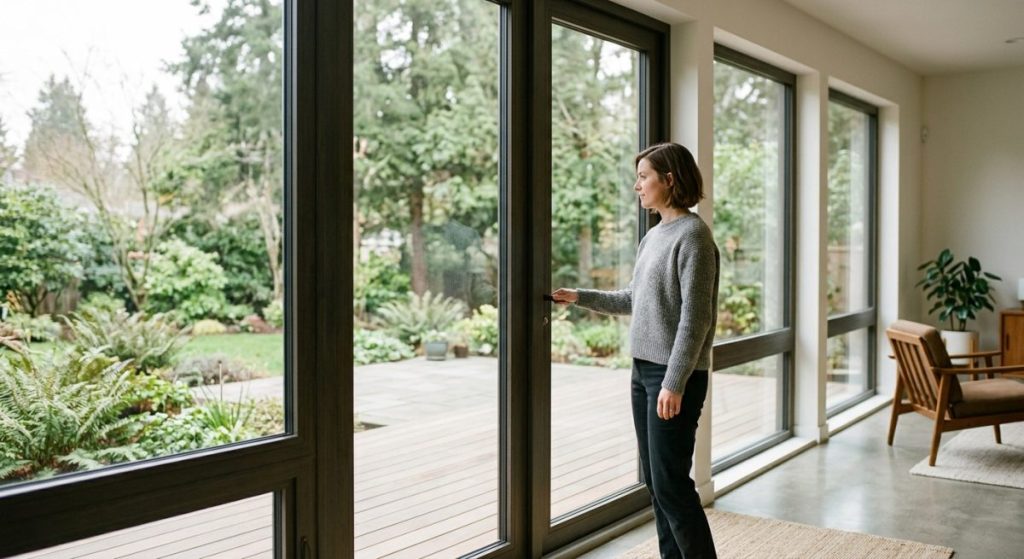
Understanding the True New Windows and Doors Cost in 2026 illustration for new windows and doors cost

Strategic Planning to Reduce Your New Windows and Doors Cost

Okay, before you even start getting quotes, there’s homework to do. This is where you can genuinely shave off a significant chunk of the new windows and doors cost. Skipping this planning phase is a surefire way to end up overspending or, worse, regretting your choices down the line.

Accurate Measurement and Needs Assessment

Seriously, get this right. If you’re measuring yourself, do it multiple times. Measure the rough opening width and height, and then the actual visible glass area. Most window manufacturers have specific ways they want measurements taken. A quarter-inch off can mean a window that doesn’t fit, leading to costly delays, reorders, or even a botched installation. If you’re hiring pros, make sure they do a thorough site assessment and provide detailed measurements. This isn’t just about getting the right size; it’s about identifying your needs. Do you need better insulation? More natural light? Enhanced security? Addressing these upfront prevents you from paying for features you don’t need or missing out on ones you do. Here’s one: if your main concern is reducing heat gain from the afternoon sun, specifying windows with a lower Solar Heat Gain Coefficient (SHGC) is crucial, even if it slightly increases the per-window cost.

Setting a Realistic Budget for Your Project

This is crucial. Don’t just pull a number out of thin air. Research average costs for your area (like we’re doing here, wink wink). Factor in the number of windows and doors, the quality of materials you’re considering, and then add a buffer – at least 15-20% – for unexpected issues. You know, like discovering rot in the old frame during demo in your Dunedin home, or needing special permits for coastal properties. A 2025 report by the National Association of Home Builders indicated that window replacement projects often run 10-15% over initial estimates if not planned meticulously. So, if your initial estimate for, say, 10 windows and 2 doors is $15,000, aim for a budget closer to $17,000-$18,000 to be safe. This buffer is essential for unexpected repairs, such as replacing rotted wood framing or upgrading electrical for new exterior lighting around doors.

Prioritizing Which Windows and Doors to Replace First

Unless you’ve got an unlimited budget, you might not be able to do everything at once. Smart homeowners tackle replacements strategically. Start with the ones causing the most problems: leaky, drafty windows that jack up your AC bills in the humid Tampa heat, or a front door that’s seen better days and compromises security. Windows facing west that bake all afternoon? Those are prime candidates for energy efficiency upgrades.

You can phase the project. Maybe start with the most critical windows on the north and west sides of your home in Trinity, then tackle the rest of the house next year. This breaks up the financial impact and allows you to address the biggest pain points first. Say replacing three west-facing windows and the front door might cost $4,000-$7,000, while tackling all ten windows could be $10,000-$20,000. Phasing makes a large project manageable.

Pro Tip: Before you commit to a full replacement, check if your existing windows can be repaired. Sometimes, replacing a broken seal or a single pane is far cheaper than a whole new unit, especially for older, solid wood windows that might have character you don’t want to lose. Minor repairs can extend the life of your current windows by several years, saving immediate costs.
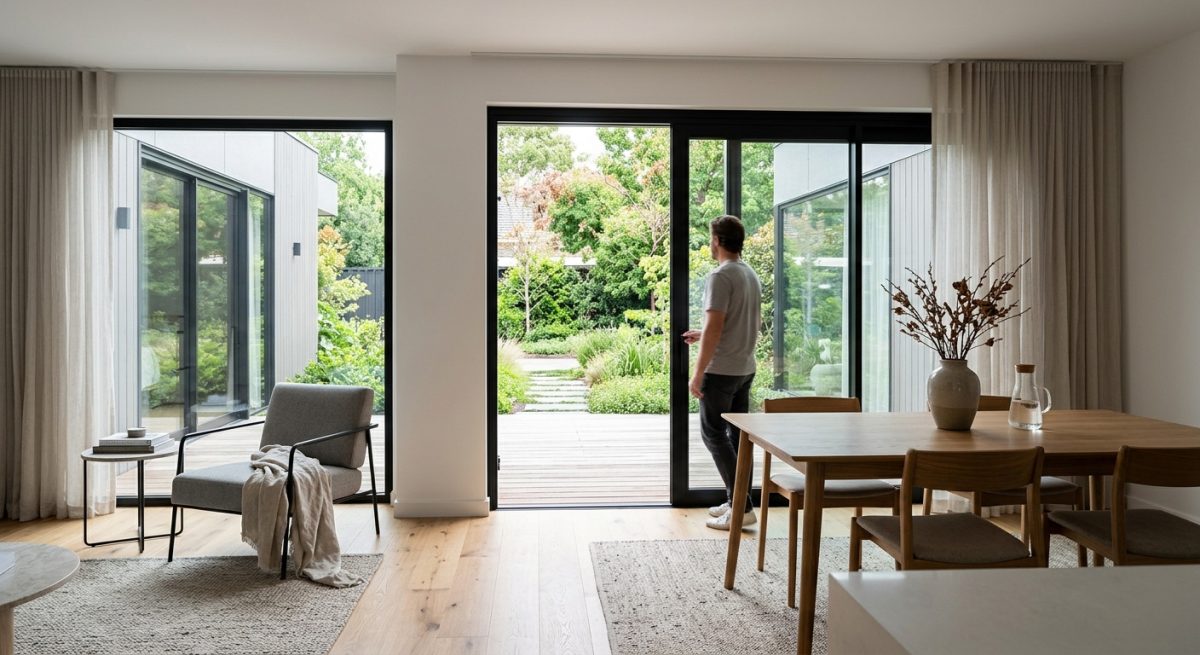
Strategic Planning to Reduce Your New Windows and Doors Cost illustration for new windows and doors cost

Smart Material Choices for Lower New Windows and Doors Cost

This is where the rubber meets the road on budget. The materials you choose directly impact the new windows and doors cost, but also how long they last and how much you save on energy bills down the road. It’s a balancing act, and thankfully, there are some great options in 2026.

Affordable Window Material Options

For most homeowners in Florida, vinyl windows are the go-to for affordability and performance. They’re relatively inexpensive, require minimal maintenance, and offer good insulation. You can get them in a variety of colors, though lighter shades are usually best for keeping things cooler here. A basic vinyl double-hung window might cost $300-$600 installed. Aluminum-clad wood windows offer the beauty of wood inside with a protective aluminum exterior, but they’re pricier and the aluminum can sometimes conduct heat. Expect to pay $700-$1,500 per window installed for these. For coastal areas like Clearwater Beach or Anna Maria Island, consider the salt spray – vinyl generally holds up better than unfinished wood. Fiberglass windows offer excellent durability and energy efficiency, often comparable to wood but more resistant to moisture, typically costing $500-$1,200 per window installed.

Budget-Friendly Door Materials

Fiberglass doors are a fantastic choice for exterior doors in Florida. They mimic the look of wood without the susceptibility to our high humidity and potential for rot. They’re also energy-efficient and hold paint well. A standard fiberglass entry door can be found for $500-$1,200 installed, which is a solid investment. Steel doors are often the cheapest upfront, but they can dent easily and, if the finish is compromised, can rust. Basic steel entry doors can be installed for $400-$900. And solid wood doors? Beautiful, but require significant upkeep in our climate and are generally more expensive, often starting at $1,000 installed for basic models and going much higher for premium woods. For interior doors, hollow-core composite doors are the most budget-friendly, often costing $150-$300 installed, while solid core or solid wood doors offer better sound insulation and a more substantial feel but at a higher price, typically $300-$700+ installed.

Energy-Efficient Features That Save Money Long-Term

Don’t shy away from energy-efficient features just because they add a bit to the initial new windows and doors cost. In Florida, where AC bills can be brutal, these features pay for themselves. Look for:

  • Double-pane or Triple-pane glass: Creates insulating air or gas pockets. Triple-pane offers superior insulation but at a higher cost.
  • Low-E (Low-Emissivity) coatings: These microscopic metallic coatings reflect heat, keeping cool air in during summer and warm air in during winter. Crucial for Tampa Bay’s climate.
  • Argon or Krypton gas fill: Inert gases between panes that are better insulators than air, enhancing thermal performance.
  • ENERGY STAR certification: Ensures the product meets strict energy performance guidelines set by the U.S. Environmental Protection Agency. According to ENERGY STAR, certified windows can reduce energy bills by 15%.

These features might add 10-20% to the window cost, but they can slash your cooling bills by 10-25% annually. Like, adding low-E coating and argon gas to a $500 window might increase its price by $100, but if it saves you $100-$200 per year on cooling, the payback is swift. That adds up, folks!

Smart Material Choices for Lower New Windows and Doors Cost illustration for new windows and doors cost

Finding Deals and Discounts on New Windows and Doors Cost

Who doesn’t love a good deal? You can actively hunt for savings on your new windows and doors cost. It just takes a little savvy and timing.

Timing Your Purchase for Maximum Savings

While in colder climates, winter is often the time for deep discounts on windows and doors as demand plummets, that’s less of a factor here in Florida. Then again, you can still find savings. Look for post-holiday sales (like Presidents’ Day in February, or even end-of-year clearance events). Also, contractors often have slower periods. While summer is hot, some homeowners put off big projects then, which *might* lead to slightly more flexible pricing from installers. You might also find better deals right after hurricane season, as the urgency for replacements might have passed, but before the holiday rush. Say a contractor might offer a 5% discount on larger projects booked in September or October to fill capacity before the year-end.

Using Manufacturer Rebates and Tax Credits

This is a big one for 2026. The federal government, and sometimes state and local entities, offer incentives for energy-efficient home improvements. As of early 2026, the Residential Clean Energy Credit (part of the Inflation Reduction Act) allows for a tax credit of 30% of the cost of qualified energy-efficient improvements, including windows and doors, up to certain limits. You MUST ensure the products you buy meet the specific ENERGY STAR requirements for your region. Check the ENERGY STAR website and consult with your tax professional. Local utility companies, like Duke Energy in some parts of the Tampa Bay area, might also offer rebates for qualifying upgrades. Always ask your contractor about these! Take a $10,000 project meeting the criteria could result in a $3,000 tax credit, significantly reducing your net cost.

Key Takeaway: The 30% federal tax credit for energy-efficient home improvements is a significant opportunity in 2026. Ensure your chosen windows and doors meet the specific ENERGY STAR criteria for your region to qualify, and always consult a tax professional for personalized advice.

Comparing Multiple Quotes Effectively

Never, ever go with the first quote you get. Get at least three, ideally four, from reputable local companies serving areas like Brandon, Wesley Chapel, and Lakeland. Make sure the quotes are detailed and itemized. What exactly is included? Are permits covered? What’s the warranty on both the product and the labor?

Are they quoting the same brands and models? A quote that’s significantly lower than the others should raise a red flag – is it a lower-quality product, less experienced labor, or are they cutting corners somewhere? Compare them apples-to-apples. Sometimes paying a little more for a well-established company with a solid warranty is worth the peace of mind. Here’s one: ensure one quote isn’t excluding the cost of new trim or interior drywall repair if needed.

DIY vs. Professional Installation: Impact on New Windows and Doors Cost

This is a classic dilemma. Can you save money by doing it yourself? Maybe. Should you? That’s a different question entirely, especially when we talk about new windows and doors cost.

When DIY Might Save Money

If you’re genuinely handy, have experience with home renovations, and the project is straightforward – like replacing a basic vinyl window in an existing opening without structural changes – then yes, you can likely save on labor costs. This might be a good option if you live in an area with very high labor rates, such as parts of Sarasota or Bradenton. That said, even a “simple” window replacement involves careful measuring, precise fitting, proper sealing, and potentially dealing with siding and interior trim. For doors, especially exterior ones, the margin for error is even smaller due to security and weatherproofing requirements. A DIY savings on labor might range from $200-$600 per window, but this doesn’t account for potential mistakes or the value of your time.

The Value of Professional Installation

For most people, professional installation is the way to go, especially in Florida. Why? First, our climate. Proper sealing against wind, rain, and humidity is non-negotiable. A poorly installed window or door can lead to leaks, mold, drafts, and even structural damage during a storm – which is exactly what you’re trying to prevent. Second, warranties. Many manufacturers void their product warranties if installation isn’t performed by a certified professional. A reputable installer will also stand behind their labor, offering their own warranty. Think of it as an investment in quality and long-term performance. For a project impacting your home’s integrity and energy efficiency as much as windows and doors, professional installation is usually worth the extra expense, typically ranging from $150 to $800+ per unit depending on complexity.

Understanding Warranty Implications

This is HUGE. When you buy new windows and doors, they come with manufacturer warranties – usually covering defects in materials and workmanship for 10, 20, or even lifetime. But if you DIY the installation and something goes wrong with the product itself, the manufacturer might deny your claim. Conversely, if a professional installer makes a mistake during installation, their company should cover the repairs or replacement. Always read the fine print on both the product warranty and any labor warranty offered by the installer. A full warranty that covers both product and installation is the gold standard, offering peace of mind against potential issues for years to come.

“A manufacturer warranty is only as good as the installation it covers. Don’t risk voiding it for a DIY save that could cost you thousands later in repairs or premature replacement.”

Maximizing Value: Long-Term Savings Beyond Initial New Windows and Doors Cost

The ultimate goal, right? To spend smart now and save money for years to come. It’s not just about the purchase price of your new windows and doors cost; it’s about the return on investment.

The ROI of Energy-Efficient Windows and Doors

Let’s talk numbers. For homeowners in the Tampa Bay area, where AC runs practically year-round, energy efficiency is king. According to the U.S. Department of Energy, inefficient windows and doors can account for up to 30% of a home’s heating and cooling energy use. Upgrading to ENERGY STAR certified, low-E coated, double-pane windows can reduce your energy bills by an average of 10-25%. If your annual cooling bill is $2,000, that’s a potential saving of $200-$500 per year. Over 15-20 years, that adds up to thousands of dollars. Factor in potential insurance discounts for impact-resistant windows in coastal areas like St. Pete Beach or Treasure Island, and the ROI becomes even more compelling. A $15,000 window replacement with energy-efficient features might save you $300-$500 annually on energy bills alone, plus potential insurance savings.

Choosing Durable Products for Florida’s Climate

Florida’s climate is tough. We’ve got intense sun, high humidity, salt air near the coast, and the occasional hurricane threat. Your windows and doors need to withstand this. Vinyl is generally a good, low-maintenance choice for windows, offering good resistance to moisture and UV rays at a reasonable cost. For doors, fiberglass offers excellent durability against moisture and UV rays, resisting warping and rot. If you’re in a hurricane-prone zone, investing in impact-resistant windows and doors is a must. While the upfront new windows and doors cost is significantly higher – often 50-100% more than standard options – they can prevent catastrophic damage during storms, potentially saving you tens of thousands in repairs and often qualifying you for homeowner’s insurance discounts. According to the Insurance Information Institute, impact-resistant windows can lower premiums by 10-45% in high-risk areas. Take a standard window might cost $500 installed, while an impact-resistant version could be $1,000-$1,500, but the insurance savings could offset this difference over time.

Maintaining Your New Windows and Doors

Even the best windows and doors need a little TLC to perform optimally for years. Regular maintenance isn’t complicated and helps preserve your investment:

  • Clean regularly: Wash glass and frames with mild soap and water. For coastal homes, rinse frames more frequently to remove salt buildup, which can degrade finishes over time.
  • Check seals and weatherstripping: Look for cracks or gaps and replace as needed. This is crucial for maintaining energy efficiency and preventing water intrusion.
  • Lubricate hardware: Hinges and locks on doors and windows should be lubricated annually with a silicone-based spray to ensure smooth operation and prevent sticking or squeaking.
  • Inspect for damage: Keep an eye out for any signs of wear, rot, or potential issues, especially after severe weather. Address minor issues promptly before they become major problems.

Simple, consistent care will ensure your investment continues to perform and protect your home for its entire lifespan, maximizing the value derived from your initial expenditure.

Frequently Asked Questions

How much does it cost to replace all the windows in a house in Tampa in 2026?

The cost varies significantly based on house size, window type, material, and labor rates, but expect a range of $8,000 to $30,000 for a typical 3-bedroom home with standard vinyl windows. More premium options, such as impact-resistant windows or custom designs, will push this figure higher, potentially to $40,000 or more.

Are impact windows more expensive than regular windows in Florida?

Yes, impact windows are generally more expensive upfront due to their specialized laminated glass and reinforced frames designed for hurricane protection. But they can lead to significant homeowner’s insurance savings and reduce the risk of costly storm damage.

What are the cheapest windows and doors I can buy?

Basic vinyl windows and standard steel or fiberglass doors are typically the most budget-friendly options. But always prioritize quality and energy efficiency ratings, as the cheapest may not offer the best long-term value and could lead to higher energy bills or premature replacement.

Can I save money by replacing windows and doors in the winter?

While demand might be lower in colder months for some regions, in Florida, the ‘off-season’ for home improvement might be tied more to hurricane season or summer heat. Contractors may offer slightly better pricing during less busy periods to maintain workflow, but significant winter discounts are less common than in northern states.

Ready to Lower Your New Windows and Doors Cost?

Get expert advice and a free, no-obligation quote tailored to your home in the Tampa Bay area. Discover how to save thousands on your window and door replacement project by making informed choices.

Get Your Free Quote

Common Questions

The cost varies significantly based on house size, window type, material, and labor rates, but expect a range of $X,XXX to $XX,XXX for a typical home.
Yes, impact windows are generally more expensive upfront due to their specialized construction for hurricane protection, but can lead to insurance savings.
Basic vinyl windows and standard steel or fiberglass doors are typically the most budget-friendly options, though quality can vary.
While demand might be lower in colder months for some regions, in Florida, the ‘off-season’ for home improvement might be tied more to hurricane season or summer heat.
★  Free Consultation

Ready to Lower Your New Windows and Doors Cost?

Get expert advice and a free, no-obligation quote tailored to your home in the Tampa Bay area. Discover how to save thousands on your window and door replacement project.

✔  No obligation✔  Free quote✔  Expert advice