
8414 Sabal Industrial Blvd, Tampa, FL 33619
Hurricane Strong. STH Strong
Mon – Fri 8:00AM – 5:00OM / Sat-Sun – Closed
June 16, 2026 · Reading time: ~13 min
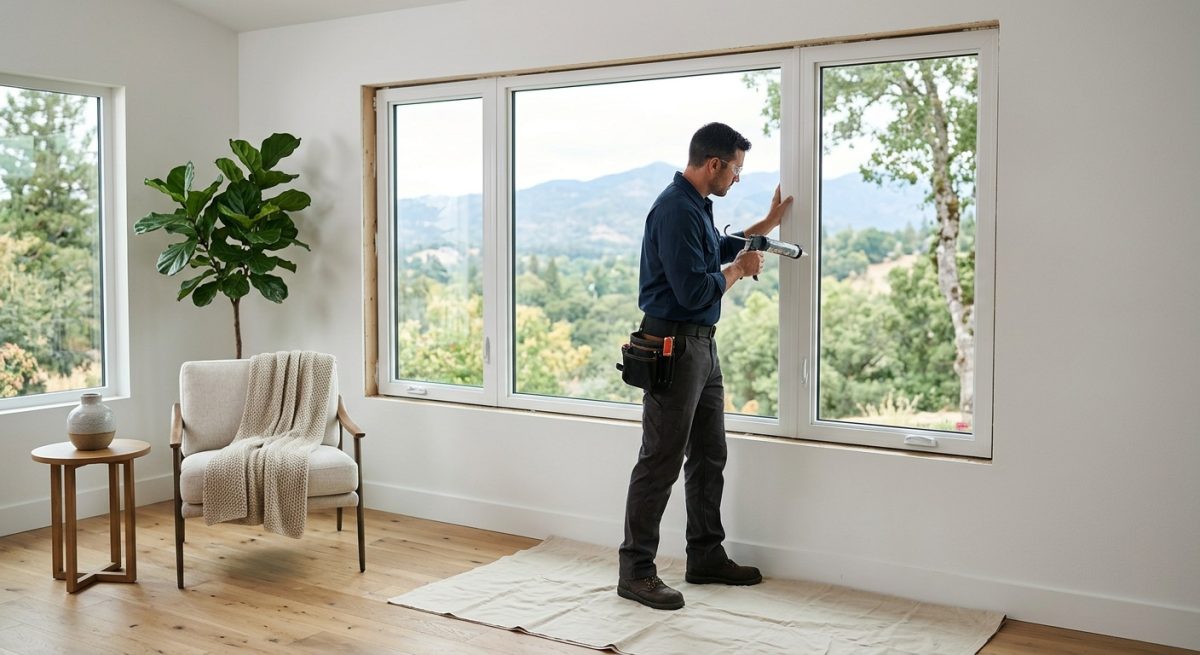
This is a big one, especially in coastal Florida communities like Dunedin and Tarpon Springs. You can’t just do whatever you want.
Building codes and Homeowners Association rules are there for a reason, and ignoring them can lead to major headaches and costly rework.
Florida has stringent building codes, particularly for areas prone to hurricanes and high winds. For coastal counties like Pinellas and Hillsborough, you’ll likely need impact-resistant windows or specific installation methods designed to withstand high winds and debris. Milgard offers options that meet these requirements, but you *must* ensure your chosen windows and installation method comply. The Florida Building Code (FBC) is updated regularly; your contractor should be up-to-date. According to the FBC, windows in High-Velocity Hurricane Zones (HVHZ) must meet specific testing standards for wind pressure and impact resistance.
If you live in a community with a Homeowners Association, you absolutely need to get their approval *before* you start. HOAs often have strict rules about window styles, frame colors, and even the brands you can use. Submitting plans early and understanding their requirements can save you from having to tear out already-installed windows. Don’t assume they’ll approve anything; check their covenants, conditions, and restrictions (CC&Rs) first.
What happens if you ignore these rules? Fines from your HOA. Being forced to remove and replace non-compliant windows (ouch, double cost!). Failing a building inspection, which can halt your project or require expensive remediation. It’s just not worth the risk. Always verify compliance with your contractor.
Considering a Milgard window replacement for your home? This guide will help you avoid common pitfalls. Milgard windows are top-notch, no doubt. But here’s the deal: just buying the fanciest windows won’t automatically make your home a paradise. A successful Milgard window replacement in 2026 is all about avoiding some pretty common, and frankly, avoidable, mistakes. This guide is for homeowners in the Tampa Bay area, from Clearwater all the way to Lakeland, who want to get this job done right the first time. Understanding these pitfalls is the first step toward a Milgard window replacement.
Homeowners gravitate towards Milgard for a reason. They’ve built a reputation for durable, attractive windows that perform well. You’re not just buying glass and vinyl; you’re investing in comfort, security, and a certain aesthetic that many find appealing. It’s that consistent quality that makes them a go-to brand.
Look, replacing windows isn’t like swapping out a lightbulb. It’s a significant investment that impacts your home’s energy efficiency, security, curb appeal, and even its resale value. A botched job? That can mean higher utility bills, drafts that make your St. Petersburg home feel like a refrigerator in winter (okay, maybe not *that* cold, but you get the idea), and a whole lot of buyer’s remorse. This guide is for you, the homeowner looking to ensure your Milgard window replacement enhances your property, not detracts from it.
This is where people often trip up. They get dazzled by options or just pick what looks nice in a showroom, forgetting about how the window actually functions or if it even fits their home’s vibe. Choosing the right Milgard window style is more than just picking a pretty face; it’s about marrying aesthetics with practicality, especially in a place like Tampa where the climate demands specific considerations.
Milgard offers several lines, each with its own character and features. The Tuscany® Series, for instance, is their premium vinyl line, known for strength and energy efficiency. Montecito® offers a more traditional look with premium vinyl. Then there’s Style Line® for a sleek, modern feel with narrower frames, and Ultra™ for fiberglass if you’re looking for something a bit different. Each series has different strengths, and picking the wrong one can be a real bummer.
Does your home sport the classic Florida bungalow look common in areas like Dunedin? Or are you leaning more towards modern coastal vibes found near Clearwater Beach? A ranch-style home might look fantastic with double-hung windows, while a mid-century modern might call for expansive picture windows or casements.
Trying to force a contemporary Style Line window onto a historic home in Largo just won’t work. It’s about harmony, folks!
Think about how you use your rooms. Do you need maximum airflow? Casement windows crank open wide, offering superior ventilation. If you prefer a classic look and easy operation, double-hung might be your jam. Picture windows are stunning for maximizing views – imagine overlooking the bay in St. Pete Beach without any obstruction – but they don’t open. Sliding windows offer a good balance for many homes. Get this wrong, and you’ll be wrestling with your windows for years.
| Pros | Cons |
|---|---|
| Style Harmony: Complements existing architecture. | Aesthetic Mismatch: Can clash with home’s style. |
| Optimized Function: Enhances ventilation and light. | Limited Operation: Picture windows offer no airflow. |
| Increased Comfort: Proper window type improves usability. | Operational Hassle: Difficult-to-open windows are annoying. |
Seriously, if you live anywhere in Florida, especially the humid Tampa Bay region, energy efficiency isn’t just a nice-to-have; it’s a non-negotiable. Your windows are a huge factor in how much you spend keeping your home cool. Skimping here means you’re basically throwing money out the window—literally! A proper Milgard window replacement prioritizes energy performance.
You’ll see terms like U-factor and SHGC. U-factor measures how well a window insulates (lower is better), while SHGC (Solar Heat Gain Coefficient) measures how much heat from the sun enters your home (lower is definitely better in Florida). For our climate, you want a low U-factor and a low SHGC. According to ENERGY STAR, for hot climates like ours, look for U-factors of 0.30 or lower and SHGC of 0.25 or lower. Getting this wrong means your AC is going to work overtime.
Milgard gets this. Their SunCoat® Low-E coatings are a big deal. They reflect solar heat in the summer and help keep heat inside during cooler months (though that’s less of a concern here). Argon gas fills between the panes, acting as an extra insulator. Their frame materials also contribute; vinyl and fiberglass frames are much better insulators than aluminum, which is why you rarely see aluminum frames recommended for residential use in Florida anymore.
Sure, energy-efficient windows might have a slightly higher upfront cost. But think long-term. A study by the Lawrence Berkeley National Laboratory found that upgrading to energy-efficient windows can reduce cooling costs by up to 10% in hot climates.
Over the lifespan of your windows – which should be decades – those savings add up significantly. It’s an investment that pays you back. Your utility bills will thank you.
“Choosing windows with a low Solar Heat Gain Coefficient (SHGC) is paramount for Florida homeowners aiming to reduce cooling costs and improve indoor comfort during the intense summer months.”
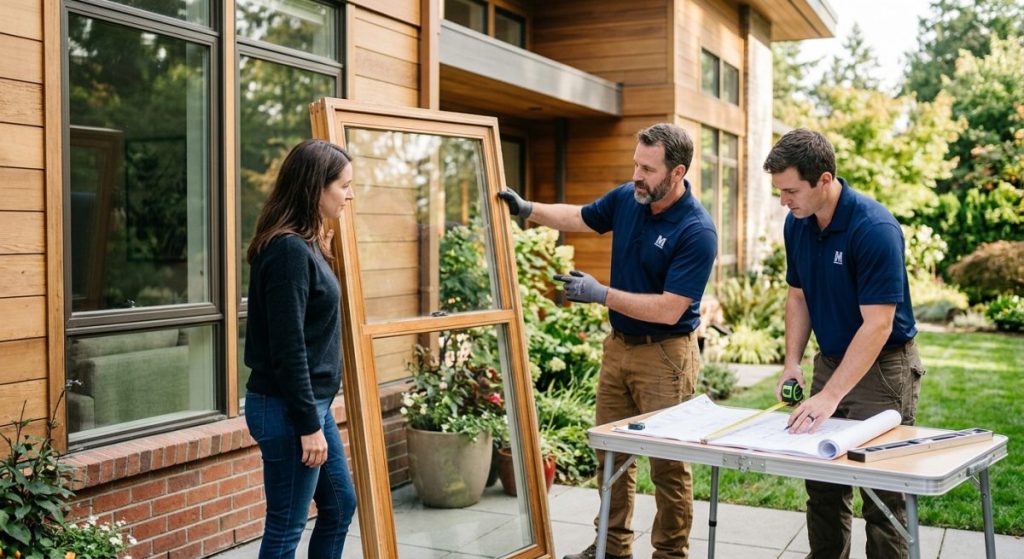
This is perhaps the biggest mistake homeowners make. They buy great windows, maybe even great energy-efficient ones, and then entrust the installation to the lowest bidder or, worse, try to DIY it. Bad move. A poorly installed window is a ticking time bomb for drafts, leaks, and condensation issues. For a Milgard window replacement, proper installation is absolutely crucial.
Window installation looks simple on TV, right? Just pop out the old, pop in the new. Wrong. It involves precise leveling, proper flashing, correct sealing, and understanding how to integrate the new window with your home’s existing structure to prevent water intrusion and air leaks. One wrong move with a shim, and you’ve got problems. This isn’t the place to learn new skills, especially if your home is near the coast in areas like Treasure Island or Madeira Beach, where water resistance is key.
Milgard works with authorized dealers and installers. Look for companies that are not only licensed and insured but also specifically certified by Milgard. Ask for references. Check online reviews – but take them with a grain of salt, naturally. A good installer will take meticulous measurements, explain the process, and stand behind their work. Companies serving areas like Clearwater, St. Petersburg, and Largo know the local building practices and common issues.
Here’s a kicker: most manufacturer warranties, including Milgard’s, are voided if the product isn’t installed correctly by a qualified professional. So, you buy a premium window, but if it leaks or fogs up because it wasn’t installed right, Milgard might say, “Tough luck, you didn’t follow our installation guidelines.” Always confirm that your installer’s work is covered by their own labor warranty as well.
People often focus only on the sticker price of the windows themselves. Big mistake. The actual cost of a Milgard window replacement project involves much more than just the units. You’ve got to look at the whole picture, or you’ll get sticker shock halfway through.
Installation labor typically accounts for 40-60% of the total project cost. This covers the skilled labor, the time taken, the tools used, and the contractor’s overhead. Don’t just pick the cheapest quote; you usually get what you pay for. A slightly higher installation cost for a reputable, certified installer is almost always worth it in the long run.
What else could pop up? Permits, for one, depending on your local municipality in Hillsborough or Pinellas County. Sometimes, when removing old windows, you discover rotted wood frames or structural issues that need immediate repair – unexpected, but necessary.
Disposal of old windows also factors in. It’s wise to have a contingency fund, maybe 10-15% of your estimated budget, for these surprises.
For homeowners in Largo or Pinellas Park looking to spread the cost, explore financing. Many reputable window companies offer financing plans, often with attractive interest rates or deferred payment options. Some local banks or credit unions might also offer home improvement loans. Just be sure to read the fine print carefully.
This is a big one, especially in coastal Florida communities like Dunedin and Tarpon Springs. You can’t just do whatever you want.
Building codes and Homeowners Association rules are there for a reason, and ignoring them can lead to major headaches and costly rework.
Florida has stringent building codes, particularly for areas prone to hurricanes and high winds. For coastal counties like Pinellas and Hillsborough, you’ll likely need impact-resistant windows or specific installation methods designed to withstand high winds and debris. Milgard offers options that meet these requirements, but you *must* ensure your chosen windows and installation method comply. The Florida Building Code (FBC) is updated regularly; your contractor should be up-to-date. According to the FBC, windows in High-Velocity Hurricane Zones (HVHZ) must meet specific testing standards for wind pressure and impact resistance.
If you live in a community with a Homeowners Association, you absolutely need to get their approval *before* you start. HOAs often have strict rules about window styles, frame colors, and even the brands you can use. Submitting plans early and understanding their requirements can save you from having to tear out already-installed windows. Don’t assume they’ll approve anything; check their covenants, conditions, and restrictions (CC&Rs) first.
What happens if you ignore these rules? Fines from your HOA. Being forced to remove and replace non-compliant windows (ouch, double cost!). Failing a building inspection, which can halt your project or require expensive remediation. It’s just not worth the risk. Always verify compliance with your contractor.
This ties back to installation, but it’s so important it deserves its own section. The contractor you choose is your partner in this whole process. Pick a shoddy one, and everything else can go south, no matter how good the Milgard windows are.
What are the warning signs? Contractors who pressure you into signing a contract immediately. Those who don’t offer a detailed, itemized quote. Companies with no physical office or a P.O. Box address. Anyone asking for a huge upfront deposit—typically, 30% is standard, but anything over 50% is a red flag. And definitely steer clear of anyone who badmouths Milgard or other reputable brands; it often indicates they can’t get or don’t want to work with those products.
Here’s a quick checklist:
A contractor who has been serving the Oldsmar, Safety Harbor, or broader Tampa Bay area for years understands the local climate, soil conditions, building codes, and even the typical architectural styles. They’ll know about salt spray corrosion issues near the coast and how to mitigate them. They’re also more likely to be responsive to warranty calls or service needs down the line. Local knowledge is invaluable.

You’ve invested in Milgard windows, and you want to know you’re covered if something goes wrong. But just assuming the warranty is ironclad without understanding its details is a mistake. Milgard’s warranty is generally quite good, but like all contracts, it has its fine print.
Milgard’s warranties usually cover their materials and workmanship for a significant period – often a lifetime for the original owner on vinyl windows, with specific terms for double-pane glass (like for seal failure) and moving parts. This means if the glass fogs up due to a seal failure, or if a frame cracks or warps under normal use, they’ll typically replace the component.
What’s usually *not* covered? Things like damage from improper cleaning (using harsh chemicals), accidental damage (like a lawnmower hitting a window), or normal wear and tear.
Also, modifications made to the window after installation, or issues arising from improper installation or maintenance, are typically excluded. It’s critical to read the specific warranty document for the product line you choose.
Remember that installation point? It’s crucial for warranties too. If Milgard determines the issue stems from faulty installation—an improperly sealed frame, for instance—they may deny the claim. This is why using a certified, reputable installer who also provides a labor warranty is so important. They’re your first line of defense and can help navigate the warranty process.
A Milgard window replacement is a fantastic upgrade for any home in the Tampa Bay area. But it’s not a decision to take lightly. By avoiding these seven common mistakes—from picking the wrong style and ignoring energy efficiency to cutting corners on installation or not understanding costs and regulations—you set yourself up for success. You’ll end up with beautiful, functional, and efficient windows that enhance your home for years to come. Don’t let avoidable errors cost you time, money, and peace of mind. A well-executed Milgard window replacement is an investment that truly pays off.
Don’t let these common mistakes derail your project. Contact us today for a free consultation and expert guidance tailored to your Tampa Bay home. We’ll help you navigate the options and ensure your Milgard window replacement is a resounding success.
A single Milgard window replacement might take a few hours. For a whole house, expect anywhere from a few days to a week, depending on the number of windows, their size, and any complexities encountered during installation. The complexity of the Milgard window replacement project significantly influences the total time.
Costs vary widely, but a typical range for Milgard window replacement in the Tampa Bay area might be $500-$1,200 per window, including installation. Impact-resistant options or custom sizes will push this higher.
The final cost for your Milgard window replacement depends on many factors.
Absolutely. Milgard windows offer superior durability, energy efficiency crucial for Florida’s climate, and long-term value, making them a worthwhile investment for homes in Seminole, Kenneth City, and the surrounding areas. A Milgard window replacement enhances comfort and reduces energy bills.
Don't let these common mistakes derail your project. Contact us today for a free consultation and expert guidance tailored to your Tampa Bay home.

Our editorial team brings years of experience in digital marketing and SEO.