
8414 Sabal Industrial Blvd, Tampa, FL 33619
Hurricane Strong. STH Strong
Mon – Fri 8:00AM – 5:00OM / Sat-Sun – Closed
March 26, 2026 · Step-by-Step Guide
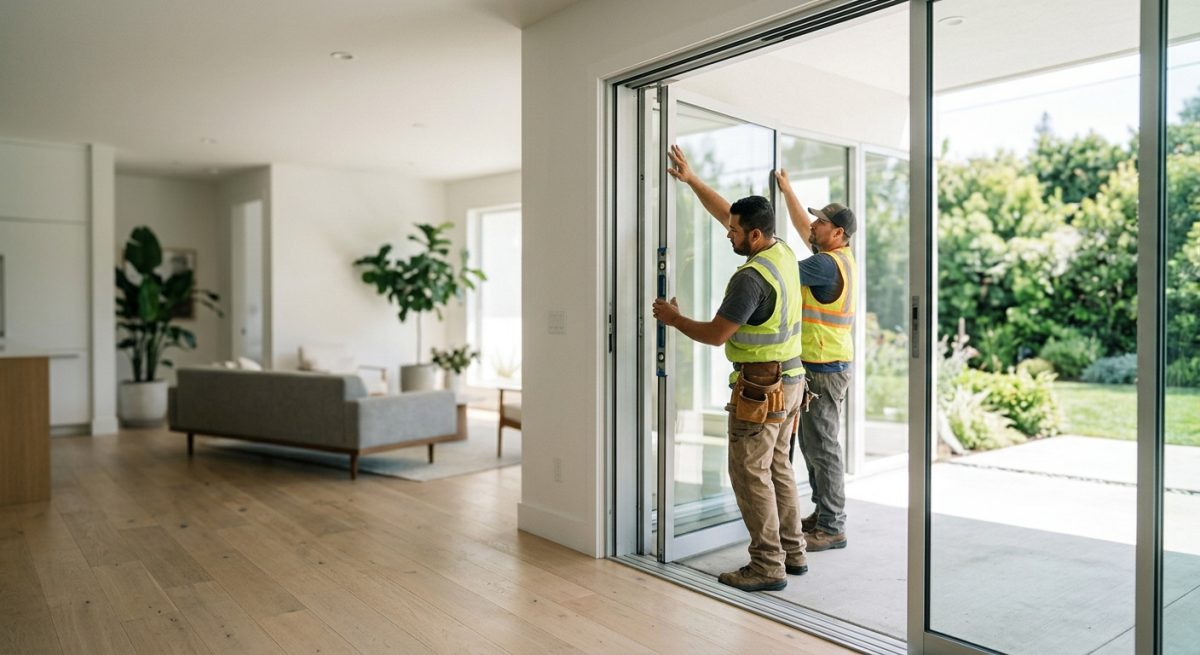
If you’re staring at a fogged-up, clunky door in your living room, you’re probably wondering about the cost to install sliding glass door systems. Let’s be honest: in 2026, the cost to install sliding glass door units is rarely a flat fee. It’s a puzzle. You’ve got to factor in local wind codes, the weight of impact glass, and the inevitable “Florida surprise” waiting behind your drywall.
I’ve seen plenty of folks try to guess their budget based on a national average they found online. That’s a mistake. If you live in St. Pete or out toward the coast in Treasure Island, you aren’t paying the same price as someone in landlocked Polk County. Why? Because the wind-load requirements near the Gulf are non-negotiable. If your door isn’t rated for high-velocity hurricane zones, your insurance company might just drop you. It’s that serious.
Living near the water in Clearwater or St. Pete Beach means your home is in the crosshairs of every tropical system that rolls through. Engineers calculate “design pressure” (DP) ratings based on how close you’re to the shoreline. The closer you’re to the salt spray, the higher the DP rating needs to be. High DP ratings require thicker, more glass and reinforced frames. This isn’t just a suggestion; it’s the law under the Florida Building Code. If a contractor quotes you for a standard residential door in a high-velocity zone, run away. They’re cutting corners on your safety.
You’ll generally choose between vinyl and aluminum frames. Vinyl is the king of low-maintenance living—it doesn’t corrode in our salty air. It’s also cheaper. But, if you’re looking for those massive, floor-to-ceiling glass walls you see in those trendy Westchase mansions, you’re looking at heavy-duty aluminum. It’s stronger, yes, but it transfers heat faster. In the middle of August, an aluminum frame can get hot enough to cook an egg if it’s in direct sun. Choose wisely.
Expert Insight: According to the Florida Building Commission, impact-rated systems are now the standard for new installations in coastal counties. Don’t waste money on non-impact units if you live in an evacuation zone; the insurance premium hike alone will cost you more over five years than the upgrade itself.
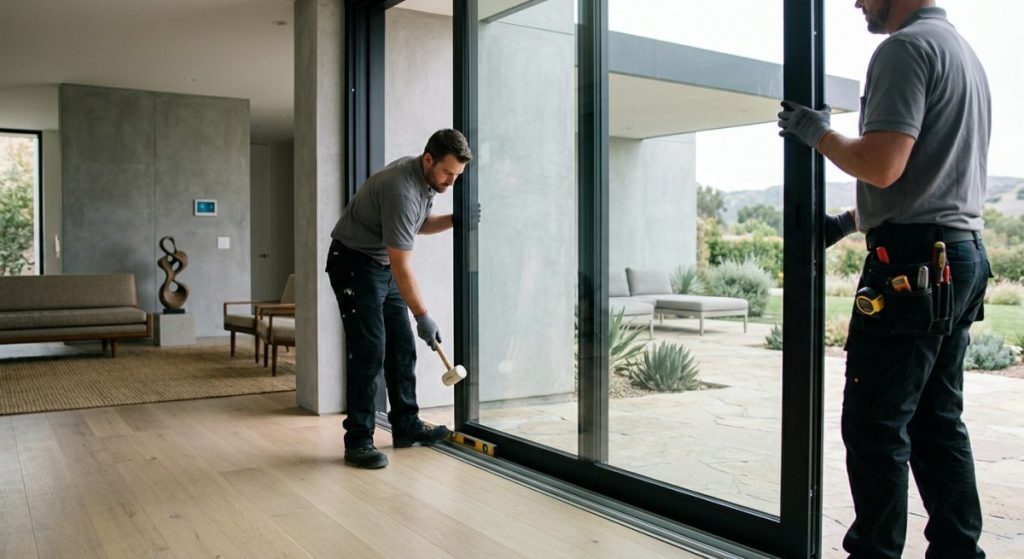
The sticker price shifts wildly depending on how many panels you’re moving. A standard two-panel door is the bread and butter of most installers in Hillsborough and Polk. But if you’re upgrading to a pocket door that disappears into the wall? That’s a construction project, not just a door swap.
| Door Type | Average Cost Range (Installed) | Best For |
|---|---|---|
| Standard 2-Panel Vinyl | $2,800 – $4,500 | Budget-conscious replacements |
| High-Performance Aluminum | $4,500 – $7,500 | Coastal durability, larger spans |
| Multi-Slide/Pocket System | $10,000 – $25,000+ | Luxury indoor-outdoor living |
For most homes in Lakeland or Zephyrhills, a standard two-panel unit is perfectly fine. These are mass-produced, efficient, and get the job done. You aren’t reinventing the wheel here.
Most reputable local installers can swap one of these out in a single afternoon. If the frame is in good shape, your costs stay on the lower end of the spectrum.
This is for the dream home. If you’re opening up your back wall to merge your lanai with your living room, you’re entering the world of custom engineering. These systems require precise track installation—if the floor is off by even an eighth of an inch, the door will bind. It’s a precision game. You’re paying for the craftsmanship of the install as much as the materials.
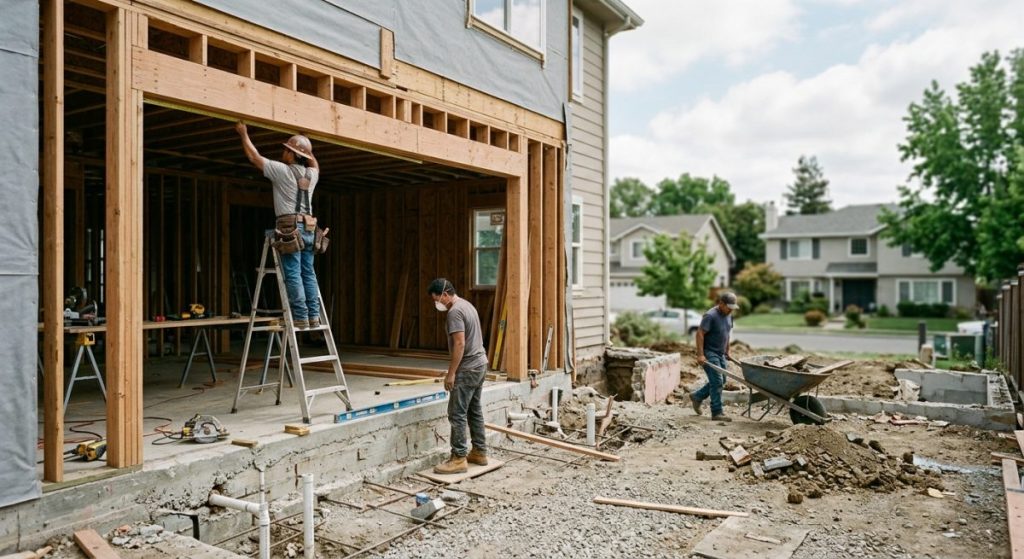
Here’s where most people get hit with “surprise” invoices. You pull out the old, rotted door frame and realize the sub-floor is basically mush because of a leaky sill that’s been ignored for a decade. It happens all the time in our humid climate.
Florida’s humidity is a silent killer. Before you commit to a specific cost to install sliding glass door quote, ask your contractor to do a moisture check. If they find mold or rot in the header or the threshold, that needs fixing before the new door goes in. If you just slap a new frame over rot, you’re just inviting termites and water intrusion back into your home within two years. Don’t skip the repair phase.
Every city from St. Petersburg to Lutz has its own building department. Pulling a permit is mandatory. Yes, it adds to your total, but it’s your protection. A permitted job means a city inspector verifies the installation. This is crucial for your home’s resale value. If you ever sell, a buyer’s home inspector will look for those permits. If they aren’t there, good luck closing that deal.
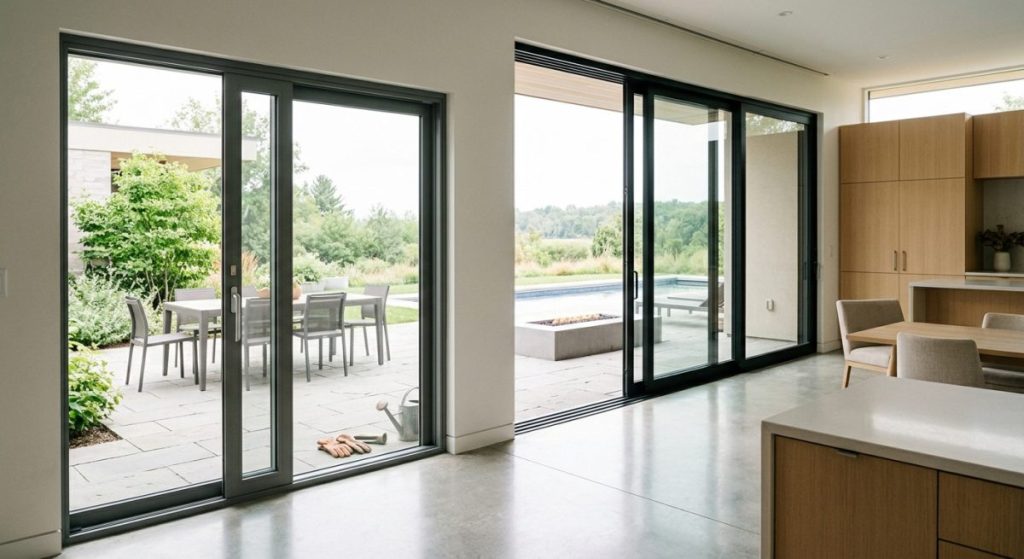
You’re paying for expertise, not just a delivery service. A pro knows that a sliding door is only as good as its seal. If you want to know what your money is actually buying, look at the steps they take.
Timing is everything. If you try to schedule an install in May, right before hurricane season, you’re going to pay a premium. Everyone is panicked, and installers are booked solid. If you can wait until late autumn or winter, you might find a contractor who’s looking to fill their schedule. That gives you .
Check the Department of Energy guidelines for 2026. Many high-efficiency impact doors qualify for federal tax credits.
It’s not a direct discount, but getting a chunk of that money back at tax time effectively lowers your total cost to install sliding glass door projects. Every little bit helps, right?
I’ve walked into too many homes where the door is “sticky.” That’s a sign the installer didn’t level the track properly or failed to clean the debris out of the sill during the install. Over time, that sand acts like sandpaper, grinding down your rollers until the door is unusable. If you live in an area with sandy soil like parts of Sarasota or Bradenton, you need to vacuum your tracks weekly. Seriously.
If you see condensation between the glass panes, your seal has failed. That’s a manufacturing defect, but if the installation was sloppy, that seal might have been compromised during transport or set-up. A professional will handle the warranty claim for you. That’s the real value of the pro—you don’t have to fight the manufacturer alone.
Professional quotes should clearly itemize permit fees. Because these fees vary by municipality—from the stricter requirements in St. Pete to the regional codes in Lakeland—you should ensure your contractor includes this in the contract.
If they say permits aren’t needed, they’re lying. Always check your local building department’s website to verify the requirements for your specific address.
For a standard, two-panel replacement, a professional crew typically finishes the job in a single day. This includes removing the old unit, prepping the rough opening, installing the new door, and applying the necessary flashing and sealants. Custom multi-slide or large-format pocket doors can take two to three days due to the structural work involved.
Absolutely. Beyond the obvious benefit of not needing ugly plywood shutters during a hurricane, impact-resistant doors often qualify you for significant discounts on your homeowners’ insurance premiums.
Over the life of the door, those savings often offset the higher upfront investment. Plus, they provide an extra layer of home security that standard doors simply can’t match.
I strongly advise against it. Florida’s wind-load building codes are extremely strict for a reason. Modern impact-resistant glass is incredibly heavy—often requiring three or more people to move safely—and the specialized flashing required to prevent water intrusion is easy to mess up. If you install it incorrectly, you’re liable for any water damage that occurs, and your insurance provider may deny a claim related to the door.
Ready to move forward? A properly installed door is the difference between a peaceful afternoon on your lanai and a miserable mess of leaks and drafts. Get a quote from a local expert who knows our specific climate challenges.