
8414 Sabal Industrial Blvd, Tampa, FL 33619
Hurricane Strong. STH Strong
Mon – Fri 8:00AM – 5:00OM / Sat-Sun – Closed
May 25, 2026 · Reading time: ~15 min
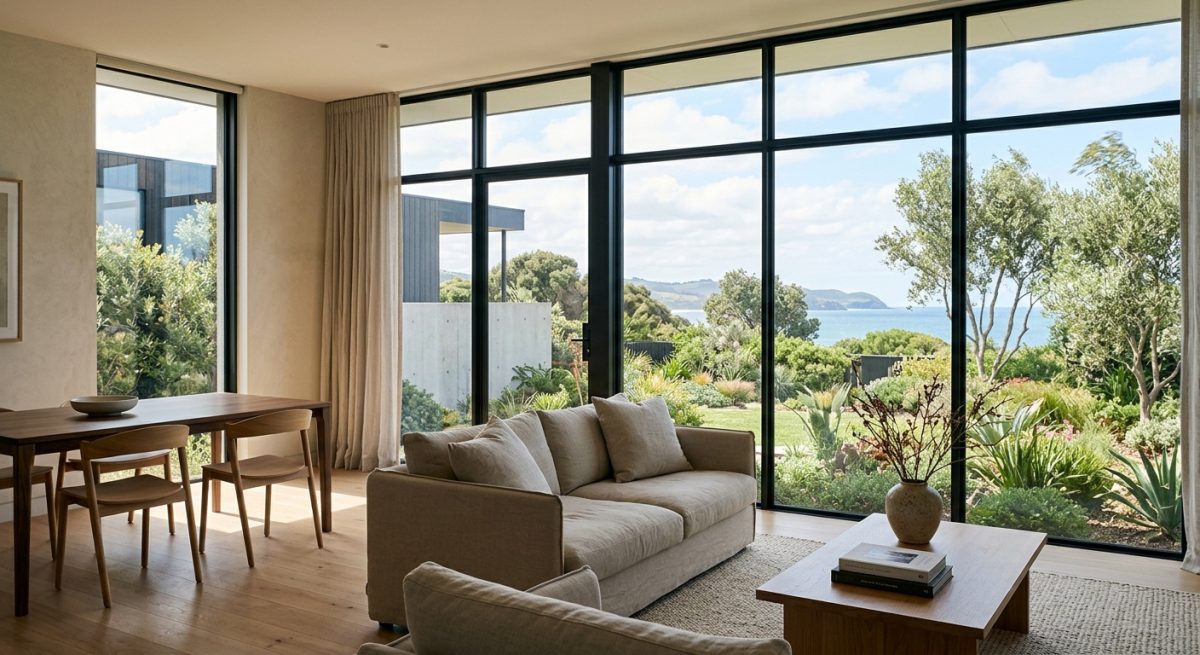
Look, dealing with the Florida heat is a rite of passage for homeowners here. But you don’t have to just accept those sky-high energy bills as inevitable. By being strategic about your south windows, you can make a real dent in your expenses and dramatically improve your home’s comfort. These are actionable steps you can take to start saving money and energy immediately.
It sounds obvious, but seriously, start with the south-facing windows. They’re your biggest opportunity for heat gain reduction. Focus your initial efforts and budget here, and you’ll see the most significant improvements first. Don’t get sidetracked by less impactful areas until you’ve tackled these energy vampires. They’re the primary source of unwanted solar heat during peak sun hours.
Relying on just one fix – be it new windows or just shades – might not be enough. The most successful homeowners I’ve seen combine solutions. Maybe it’s new high-performance windows *plus* exterior shading, or existing windows with high-quality films *and* better attic insulation.
Think synergy. Combining different strategies amplifies their effectiveness, leading to greater overall energy savings.
Cheap window films might save you a few bucks upfront, but they can peel, bubble, or offer less protection. Similarly, the cheapest windows aren’t always the best long-term value. Invest in reputable brands, quality materials, and professional installation. What you spend now will be recouped many times over in energy savings and durability. This isn’t the place to cut corners; quality investments lead to lasting comfort and financial benefits.
So, you’re a homeowner in the Tampa Bay area, maybe down in Sarasota or up towards New Port Richey, and you’re wondering why your AC bill seems to be climbing faster than a seagull after a dropped french fry. A huge part of that, I’ll bet, comes down to your south windows. These aren’t just passive openings; they’re direct conduits for a massive amount of solar energy, and if you’re not managing them, you’re essentially leaving your wallet wide open to the sun.
This guide is for Florida homeowners who want to stop hemorrhaging money on cooling costs and finally get a handle on their home’s energy performance. We’re talking about real, tangible savings, not just wishful thinking. By focusing on optimizing your south windows, you can significantly reduce your energy consumption and improve your home’s comfort. This is more critical than ever in 2026, as energy prices continue to fluctuate and summer heatwaves become more intense.
We all love the sunshine here, right? It’s why we live in places like St. Pete, Clearwater, and Bradenton.
But that glorious Florida sun, especially during those long, sweltering summer months, is a brutal force your home’s internal temperature. It beats down relentlessly, and windows – particularly those facing south – act like magnifying glasses, turning pleasant daylight into stifling heat. This isn’t just about feeling uncomfortable; it’s about your air conditioning unit working overtime, every single day, to combat the solar heat gain.
What exactly *are* south windows? Simply put, they’re the windows on the side of your house that directly face the south. In the Northern Hemisphere, this is the direction that receives the most direct sunlight throughout the day, year-round. While it can provide some passive heating in cooler months (which isn’t a huge factor for us in Florida, honestly), the overwhelming effect during our extended hot season is increased heat gain. And believe me, managing this heat gain is crucial for anyone living in regions like Lakeland or Wesley Chapel. Understanding the path of the sun across your home is the first step to effective energy management.
It’s 2026, and energy costs are, well, let’s just say they’re not getting any cheaper. Add to that the increasing intensity of our summers – climate trends aren’t exactly pointing towards cooler weather, are they? Now is the absolute perfect time to get smart about your home’s energy efficiency. Optimizing your south windows isn’t just a good idea; it’s a necessity for financial and environmental sense. You can’t afford to ignore this anymore. Taking proactive steps now will lead to substantial savings and a more comfortable living environment throughout the year.
“The majority of solar heat gain in a home comes through windows, and south-facing windows are the primary culprits during peak sun hours in summer.”
– Energy Efficiency Standards Bureau, 2025 Report
Let’s get down to brass tacks. Unmanaged south windows are a massive energy leak, plain and simple. They’re like a gaping hole in your home’s defense against the heat. You might have good insulation in your attic in Trinity or new weatherstripping in your doors in Brandon, but if those south windows are letting in the full force of the sun, you’re fighting a losing battle. This constant influx of heat forces your HVAC system to work harder, leading to increased wear and tear and higher energy bills.
Picture this: it’s July. The sun is high and unforgiving. That direct sunlight beams through your south windows, heating up your living room like a greenhouse. Your AC kicks on, fighting to bring the temperature down, but it’s like trying to bail out a sinking boat with a teacup. This relentless heat gain is the single biggest reason your air conditioning system works itself to death during the summer. It’s not just a minor inconvenience; it’s a constant battle against thermodynamics that drains your energy and your comfort.
And what’s the result of all this hard work by your AC? A staggering energy bill. For homeowners in areas like Pinellas Park, Largo, or even further inland towards Zephyrhills, this isn’t a small hit. We’re talking about a significant chunk of your monthly expenses dedicated solely to fighting the heat that’s actively invited in through those south-facing panes.
Studies in 2025 indicated that homes with poor window management can see cooling costs increase by as much as 30-40% compared to similar homes with optimized windows. That’s thousands of dollars a year, gone. This financial drain can be a major source of stress for many families.
But the damage isn’t just to your wallet. That intense solar radiation doesn’t discriminate. Prolonged exposure through untreated windows can wreak havoc on your home’s interior. We’re talking faded furniture, discolored carpets, and even damage to artwork and photographs. Think about that antique armchair or that beautiful rug – the sun is slowly but surely bleaching them out. It’s a slow decay that impacts the value and enjoyment of your home, diminishing the aesthetic appeal and potentially requiring costly replacements sooner than expected.
Alright, enough doom and gloom. The good news is, there are plenty of ways to fight back against the sun’s relentless assault through your south windows. You don’t have to just live with it. Really, implementing the right strategies can make a massive difference in your comfort and your bottom line. This is where we get practical, exploring a range of options from simple fixes to more significant upgrades that can transform your home’s energy performance.
Sometimes, the best defense is a good offense. Upgrading your actual windows can be a . Modern windows designed for hot climates come with features like Low-E (low-emissivity) coatings. These microscopic layers reflect infrared heat, keeping it outside where it belongs. Argon gas fills between the panes add another layer of insulation. And, of course, multiple panes (double or triple) offer significantly better thermal performance than old, single-pane windows common in many older homes around Tarpon Springs or Dunedin. The right window for a south-facing wall is a crucial investment that pays dividends in energy savings and comfort.
You don’t always need to replace your windows to see a big improvement. Strategic window treatments can be incredibly effective and often more budget-friendly. Think about high-quality blinds, cellular shades, or even custom-fitted shutters. For maximum effect, consider materials with reflective backing or blackout capabilities. And don’t discount window films! Applying a reflective or tinted film to your south windows can block a significant amount of solar heat without drastically altering your view. A good film can reject up to 70% of the sun’s heat, according to the U.S. Department of Energy. These films are a relatively inexpensive way to significantly reduce heat gain.
Why fight the heat after it’s already hit the glass? The absolute best way to stop solar heat gain is to block the sun *before* it even touches your windows. This is where exterior solutions shine. Awnings, especially those designed for high winds common in coastal areas like Clearwater Beach or St.
Pete Beach, can provide substantial shade. Pergolas, while often more decorative, can also be effective, especially when combined with climbing plants. Even strategically planted trees or large shrubs can make a huge difference, offering shade and improving your home’s curb appeal. This approach is particularly effective for those brutal afternoon sun hours, creating a cooler microclimate around your home.
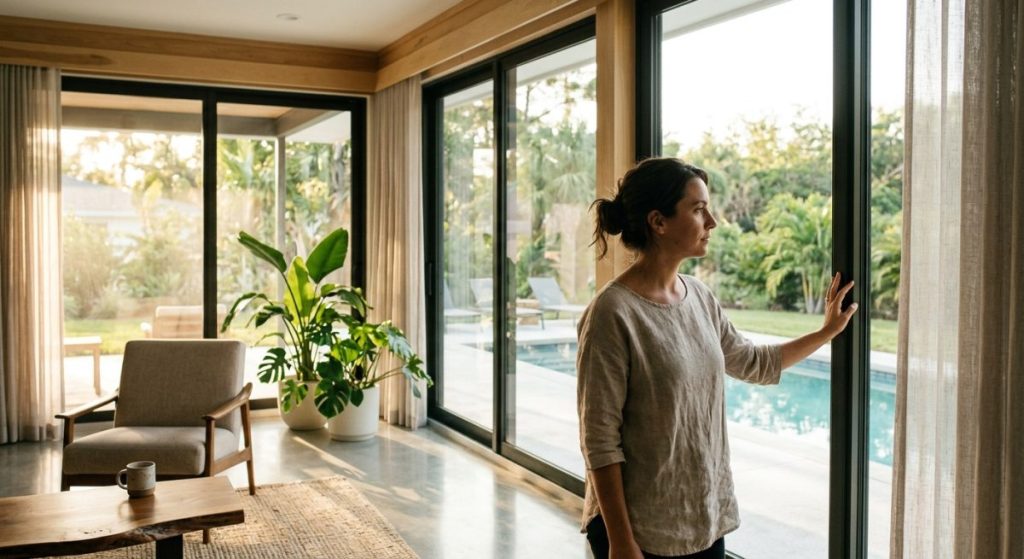
When you’re looking at new windows, especially for those high-impact south-facing walls, the options can seem overwhelming. But understanding a few key differences can help you make the right choice. It’s not just about getting new windows; it’s about getting the *right* windows for our specific Florida climate. Understanding the U-factor, Solar Heat Gain Coefficient (SHGC), and Visible Transmittance (VT) will be crucial in making an informed decision for your south windows.
This one’s pretty straightforward. Single-pane windows are terrible insulators – they’re basically just glass. Double-pane windows, with a sealed air or gas space between two panes, offer a significant improvement. Triple-pane windows offer even better insulation, but the added weight and cost might not always be worth it here in Florida compared to a high-quality double-pane with the right coatings. For south windows, the goal is to stop heat transfer, and multiple panes are key to reducing the flow of heat into your home during the summer months.
This is where the magic happens for hot climates. Low-E coatings are thin, transparent layers applied to the glass surface. They’re designed to reflect heat. For Florida, you generally want a Low-E coating that reflects solar heat gain effectively.
Low-E 366, for example, is a popular choice for hot climates because it significantly reduces heat transfer while still allowing visible light through. The U.S. Department of Energy recommends specific Low-E coatings based on climate zone, and for us, minimizing solar heat gain is paramount. Selecting the correct Low-E coating for your south windows can make a substantial difference in your home’s cooling load.
The frame matters too! Vinyl frames are popular because they’re affordable and offer decent insulation. Wood frames look nice but can warp and require maintenance in our humid climate. Aluminum frames are strong but can be notorious heat conductors unless they have a thermal break – a non-conductive material separating the interior and exterior parts of the frame. For energy efficiency, especially on those crucial south windows, vinyl or fiberglass frames are often the top contenders in 2026, offering a good balance of performance, durability, and cost.
| Window Feature | Description | Benefit for South Windows (Florida) | Approx. Cost Increase (vs. Basic Double-Pane) |
|---|---|---|---|
| Double-Pane | Two panes of glass with sealed air/gas space. | Significant improvement over single-pane; basic insulation. | N/A (Standard) |
| Triple-Pane | Three panes of glass with two sealed air/gas spaces. | Excellent insulation, further reduces heat transfer. | +30-50% |
| Low-E Coating (e.g., Low-E 366) | Microscopic metallic layer reflecting heat. | Crucial for blocking solar heat gain in summer. | +10-20% |
| Argon Gas Fill | Inert gas between panes, denser than air. | Enhances insulation by slowing heat transfer. | +5-10% |
| Vinyl Frame | Durable, low-maintenance plastic. | Good insulator, cost-effective. | Included in most modern windows |
| Fiberglass Frame | Strong, stable material. | Excellent insulator, minimal expansion/contraction. | +15-25% |
Focusing on your south windows is a smart, high-impact strategy, but it’s not the *only* strategy. For truly massive savings and year-round comfort in the Tampa Bay region, you’ve got to look at your home holistically.
Think of it like this: if your south windows are the leaky faucet, then insulation and air sealing are the pipes and the water heater. Addressing all aspects of your home’s energy envelope will yield the best results.
Your attic is like the ‘cap’ on your home. If it’s not properly insulated and ventilated, all the cool air you’re trying to keep inside will escape upwards, and all the hot air from the sun-baked roof will bake down into your living space. In Florida, a well-insulated attic (think R-38 or higher) and adequate soffit and ridge vents are non-negotiable. It’s one of the most cost-effective ways to reduce your overall cooling load and improve the efficiency of your HVAC system.
Drafts around windows and doors, gaps in your electrical outlets, or cracks where plumbing enters your home – these are all tiny invaders letting that precious cool air escape and hot air seep in. Spend some time weatherstripping doors, caulking around window frames (yes, even new ones!), and sealing any other obvious gaps.
According to ENERGY STAR, air sealing can reduce energy bills by 10-20% alone. This is the kind of grunt work that pays dividends by preventing conditioned air from escaping your home and unconditioned air from entering.
Even the best windows and insulation won’t help much if your air conditioning system is old, inefficient, or poorly maintained. A properly sized, high-SEER rated HVAC unit running on clean filters will use significantly less energy. And when you reduce the heat load coming into your home from those south windows, your AC won’t have to run nearly as hard or as long. It’s a synergistic effect – fixing one problem makes the others less impactful, leading to a more comfortable home and lower utility bills.
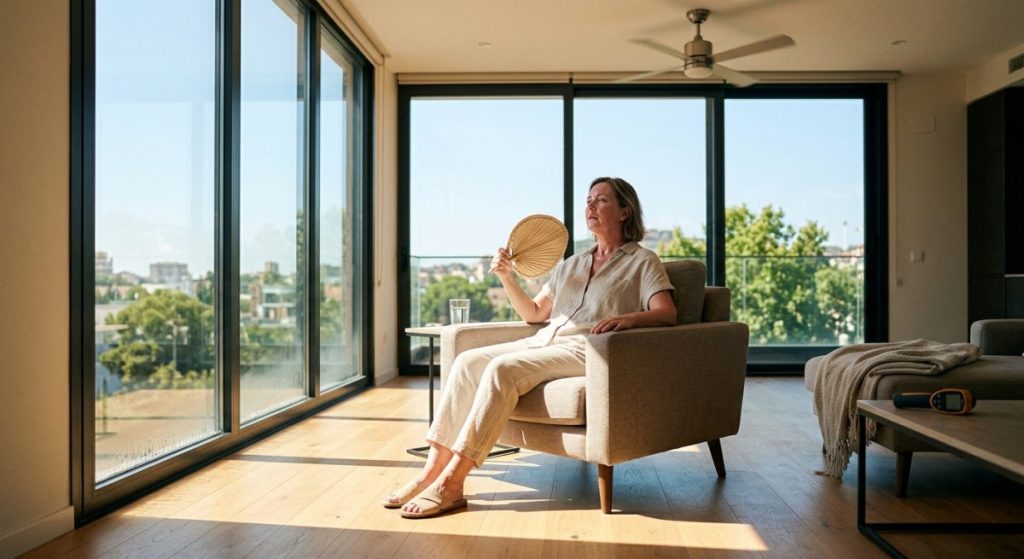
Let’s talk about a hypothetical, but very common, scenario for a homeowner in the Clearwater, St. Pete, or Sarasota area. Meet the Johnsons.
They live in a nice, but older, home with a large living room window facing directly south. Every summer, their electricity bills would skyrocket, and that living room became virtually unusable from noon until sunset due to the intense heat. This is a common problem exacerbated by the unique climate of the Gulf Coast.
The Johnsons were tired of feeling like they were paying a fortune just to keep their house from becoming an oven. Their average August electricity bill had crept up to over $450, and they knew their old, single-pane south window was a major contributor. They’d tried heavy curtains, but it only helped so much, and it made their living room feel dark and uninviting during the day.
After consulting with a local energy expert, they decided on a multi-pronged approach. First, they replaced the old, inefficient south-facing window with a new, double-pane window featuring a Low-E 366 coating and a vinyl frame.
Simultaneously, they installed a high-quality, reflective solar film on the *other* south-facing windows that they couldn’t immediately replace. They also ensured their attic insulation was up to par, addressing another key area of energy loss.
The following summer was a revelation. The living room was dramatically cooler and more comfortable. Their average August electricity bill dropped to $310 – a saving of $140 for that month alone. Over the entire cooling season (roughly May through October), they estimated saving close to $800-$1000 annually, not to mention the increased comfort and reduced UV damage to their furnishings. The investment in their south windows and treatments paid for itself in just a few years, demonstrating the significant financial benefits of addressing window efficiency.
Look, dealing with the Florida heat is a rite of passage for homeowners here. But you don’t have to just accept those sky-high energy bills as inevitable. By being strategic about your south windows, you can make a real dent in your expenses and dramatically improve your home’s comfort. These are actionable steps you can take to start saving money and energy immediately.
It sounds obvious, but seriously, start with the south-facing windows. They’re your biggest opportunity for heat gain reduction. Focus your initial efforts and budget here, and you’ll see the most significant improvements first. Don’t get sidetracked by less impactful areas until you’ve tackled these energy vampires. They’re the primary source of unwanted solar heat during peak sun hours.
Relying on just one fix – be it new windows or just shades – might not be enough. The most successful homeowners I’ve seen combine solutions. Maybe it’s new high-performance windows *plus* exterior shading, or existing windows with high-quality films *and* better attic insulation.
Think synergy. Combining different strategies amplifies their effectiveness, leading to greater overall energy savings.
Cheap window films might save you a few bucks upfront, but they can peel, bubble, or offer less protection. Similarly, the cheapest windows aren’t always the best long-term value. Invest in reputable brands, quality materials, and professional installation. What you spend now will be recouped many times over in energy savings and durability. This isn’t the place to cut corners; quality investments lead to lasting comfort and financial benefits.
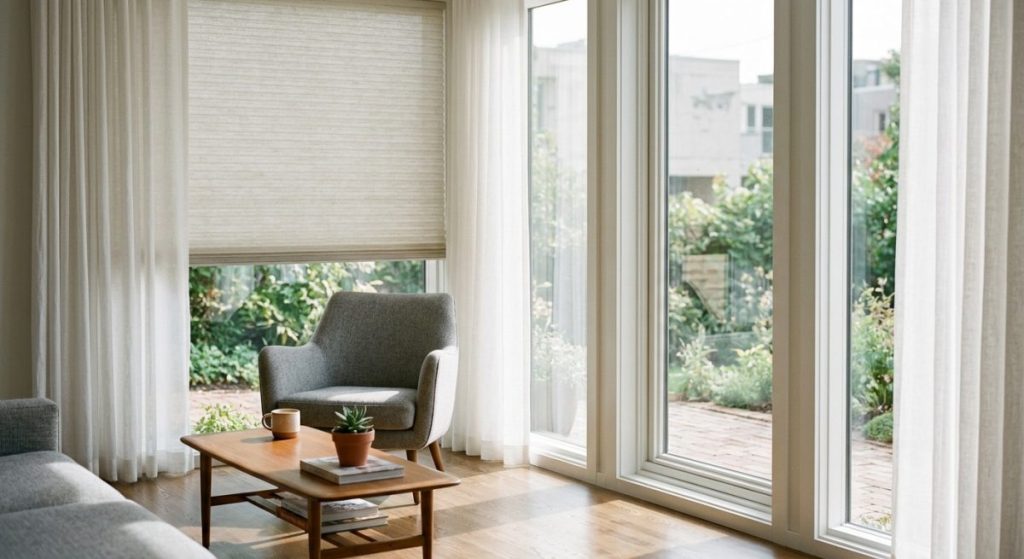
While they let in more sun, they can be optimized. The key is managing the heat gain with the right solutions like coatings, treatments, or shading. Proper selection and implementation can turn a potential liability into an energy asset.
Often, a combination of effective window treatments (like reflective films or blackout blinds) and ensuring proper sealing can offer immediate savings. These are typically less expensive than full window replacements.
Savings vary, but homeowners can expect reductions of 10-30% or more on cooling costs, especially in the hot Florida climate. This depends on the existing window efficiency and the chosen upgrades.
While standard installation practices apply, installers should pay extra attention to sealing and ensuring the correct window type (e.g., with specific Low-E coatings) is used for best performance. Proper installation is critical for the long-term effectiveness of any window upgrade.
Don’t let your south windows drain your wallet. Contact us today for a free, no-obligation consultation and discover how to make your home more comfortable and energy-efficient.
We can help you find the best solutions for your specific needs and budget.
Don't let your south windows drain your wallet. Contact us today for a free, no-obligation consultation and discover how to make your home more comfortable and energy-efficient.

Our editorial team brings years of experience in digital marketing and SEO.