
8414 Sabal Industrial Blvd, Tampa, FL 33619
Hurricane Strong. STH Strong
Mon – Fri 8:00AM – 5:00OM / Sat-Sun – Closed
June 4, 2026 · Reading time: ~16 min
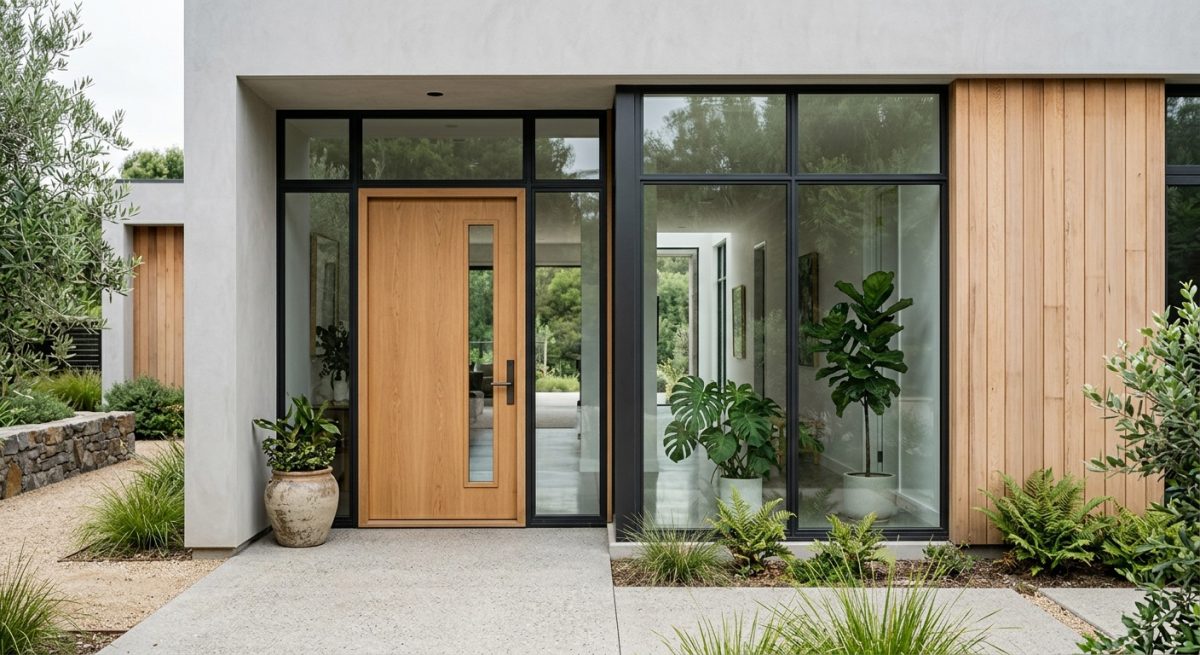
Upgrading your local windows and doors is more than just a home improvement; it’s a strategic financial decision that pays dividends year after year. The initial investment might seem steep, but when you factor in reduced energy bills, lower maintenance costs, potential tax credits, and rebates, the long-term savings are undeniable. In the Tampa Bay area, where the sun and humidity work overtime, efficient windows and doors aren’t a luxury – they’re a necessity for comfort and affordability.
Don’t let outdated, leaky units continue to drain your wallet and diminish your home’s comfort. Take the steps outlined here to research, compare, and choose wisely. Your future self, enjoying lower bills and a more comfortable home, will thank you.
Contact us today for a free, no-obligation quote on your local windows and doors project in the Tampa Bay area and discover how much you can save. We’ll help you find the best solutions for your home and your budget.
Look, nobody likes spending money on home repairs. But ignoring your windows and doors in the sweltering Tampa Bay heat? That’s a fast track to flushing cash down the drain. This guide is for Tampa Bay homeowners who’re tired of seeing their energy bills climb and their homes feel like ovens. We’re talking about real savings, not just wishful thinking. You might think your current windows and doors are just fine, but I’ve seen too many houses in Largo and St. Pete struggling with the Florida sun because of old, leaky units.
The problem is, most homeowners don’t realize the full extent of what inefficient windows and doors are costing them. It’s not just about a few extra bucks on the FPL bill. It’s a cascade of expenses that chip away at your budget and your comfort.
Let’s get straight to it. That relentless Florida sun isn’t just beautiful; it’s a heat-generating monster. Old, single-pane, or poorly sealed windows are like leaving your front door wide open on a scorching July afternoon. They let all that heat *in*. Your air conditioner then has to work overtime, like a frantic marathon runner, just to keep your house remotely comfortable. This constant struggle translates directly into higher energy bills. According to the U.S. Department of Energy, about 30% of a home’s heating and cooling energy is lost through inefficient windows and doors. In a place like Tampa, where A/C is practically a necessity from April through October, that’s a massive chunk of change wasted. For every degree you try to cool your home below the outside temperature, your system works harder, and your bill gets fatter. It’s a real tax imposed by the sunshine, and you’re paying it every single month.
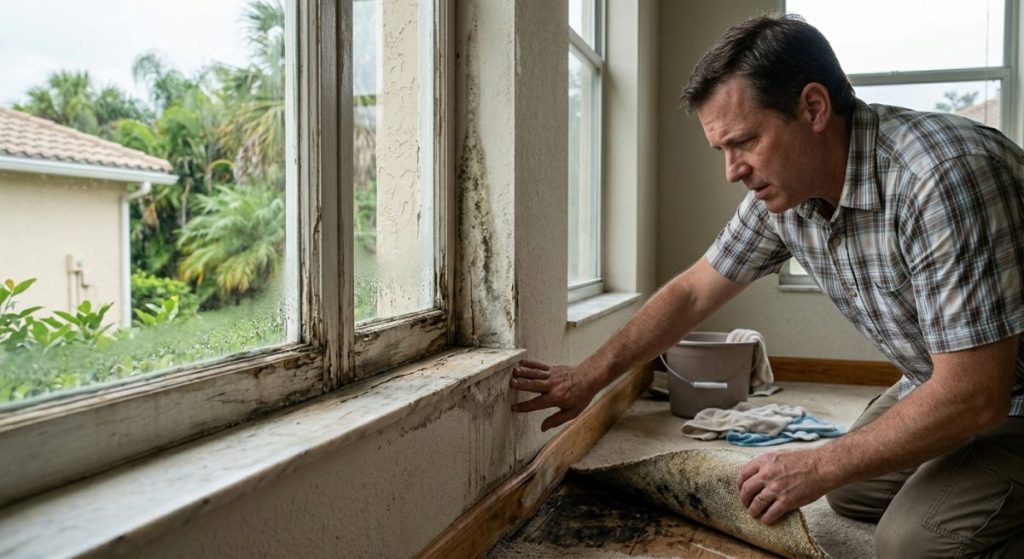
But here’s the catch: the financial drain doesn’t stop at your monthly bill. Leaky windows and doors are prime culprits for water intrusion. During those sudden, torrential Florida downpours we get in the summer, water can seep in, leading to mold, rot, and structural damage. Fixing that kind of mess? That’s a five-figure headache, easy. Plus, all that extra A/C strain? It means your system wears out faster. You’ll be looking at costly repairs or premature replacement of your HVAC unit. And let’s not forget resale value. A buyer walking through a home with drafty, outdated windows in, say, Clearwater, is going to factor those replacement costs into their offer. They’ll likely offer you less, knowing they’ll have to invest in new local windows and doors themselves.
Ignoring window and door efficiency in Florida is like paying for air conditioning and then opening all your windows. It just doesn’t make sense financially or practically.
Alright, enough doom and gloom. The good news is that upgrading your windows and doors is one of the smartest investments you can make in your Tampa Bay home. It’s not just about aesthetics; it’s about tangible, long-term savings. When you choose the right products, you’re not just buying windows and doors; you’re buying comfort, security, and reduced utility bills.
When you’re shopping for new local windows and doors, the ENERGY STAR label is your best friend. This isn’t just a marketing gimmick. Products with the ENERGY STAR certification have been independently verified to meet strict energy-efficiency guidelines set by the U.S. Environmental Protection Agency (EPA). For Florida homes, you’ll want to pay close attention to the specific climate zone recommendations. The EPA provides ratings tailored to different regions, and for us in Florida, that means looking for products designed to combat high heat gain. The ENERGY STAR program also helps you identify products that may qualify for tax credits or rebates, which we’ll get into later. Don’t just grab any old window; seek out the blue ENERGY STAR label and confirm it’s rated for Zone 2 or 3, which covers most of Florida.
Investing in quality, energy-efficient windows and doors might seem like a big upfront cost, but the return on investment (ROI) is significant. Think about it: reduced energy consumption means lower monthly bills, year after year. That’s money back in your pocket. Beyond the bills, high-performance windows and doors significantly improve your home’s comfort. No more cold spots in winter or sweltering rooms in summer. They can also reduce noise pollution from outside – a definite plus in busy areas like St. Petersburg or Clearwater. According to the ENERGY STAR program, homeowners can save an average of 15% on their energy bills by installing certified windows and doors. That’s a substantial amount that adds up quickly, often paying back the initial investment within 7-10 years, sometimes even faster depending on your current energy usage and the quality of the new products.
Okay, you’re sold on upgrading. Now, how do you do it without breaking the bank? The Tampa metro area, stretching from Sarasota up to New Port Richey and over to Lakeland, has a competitive market for local windows and doors. Smart shoppers can find some truly excellent deals if they know where and when to look.
Timing can be everything, especially big purchases like new windows and doors. While you can buy them any time of year, there are specific periods when contractors and manufacturers often run sales to drum up business. I’ve noticed that late fall (October-November) and late winter (January-February) tend to be prime times. After the summer rush and before the holidays, companies might offer discounts to keep their teams busy. Also, keep an eye out for end-of-year model clear-outs. Some manufacturers will offer discounts on previous year’s models to make room for new inventory. Don’t be afraid to ask local dealers in Pinellas Park or Dunedin about upcoming promotions or clearance items.
Here’s a crucial step: never, ever accept the first quote you get. Seriously. Get at least three written estimates from different reputable local window installers. When you get these quotes, make sure they’re apples-to-apples comparisons. Specify the exact type of window or door, brand, model, size, and the scope of work (including removal of old units, installation, and any necessary trim or sealing). Ask for a breakdown of costs. This process isn’t just about finding the cheapest option; it’s about understanding the market value and identifying any red flags. A quote that’s significantly lower or higher than the others warrants a closer look. I’ve seen homeowners in Wesley Chapel get fleeced by not shopping around, and I’ve seen others miss out on savings because they didn’t get enough bids.
This is where you can really rack up the savings. Beyond general sales, manufacturers often offer direct rebates on specific product lines. These can range from $50 to $200 per window or door. Your local window and door dealer should be able to tell you what promotions are currently available from brands like Pella, Andersen, or Simonton. Also, check with your local utility company – sometimes they offer incentives or partner with manufacturers on energy-efficiency programs. Don’t forget about potential federal tax credits. As of 2026, the Residential Clean Energy Credit and the Energy Efficient Home Improvement Credit can offer significant savings on qualifying energy-efficient upgrades. Always check the latest IRS guidelines or consult a tax professional to ensure you meet all requirements.
Replacing old windows and doors isn’t just a cosmetic upgrade; it’s a strategic financial move. The difference between your current, likely inefficient, units and modern, high-performance ones is staggering. We’re not talking marginal gains here; we’re talking about real, quantifiable savings that hit your wallet directly.
Let’s put some numbers to this. According to the ENERGY STAR program, replacing old windows with new, energy-efficient models can reduce heating and cooling costs by an average of 10-25% annually. Considering the average annual energy bill in Florida can easily exceed $2,000, even a 10% saving is $200 back in your pocket each year. If you replace all the windows and doors in a typical home in Palm Harbor or Brooksville, you could realistically see savings of $400-$600 annually, sometimes more. This is especially true if your current windows are single-pane or have worn-out seals. Like, a home in Lakeland that previously had single-pane aluminum-frame windows might see its cooling load reduced by up to 30% after installing double-pane, low-E coated, vinyl-framed windows. That’s hundreds of dollars saved, year after year, directly from your local windows and doors.
Think about the time and money you spend on maintaining old windows and doors. Painting, caulking, dealing with sticky sashes, replacing broken panes, or fixing warped frames – it all adds up. New windows and doors, especially those made from durable materials like vinyl or fiberglass, require very little maintenance. A simple wipe-down is often all they need. This means fewer calls to handymen, less money spent on repair materials, and more free time for you. Consider the cost of replacing a broken insulated glass unit (IGU) in an older double-pane window, which can easily run several hundred dollars. A new unit comes with a manufacturer’s warranty, often covering the seals and glass for 10-20 years or more, meaning you won’t be shelling out for such repairs again anytime soon. This reduction in recurring expenses is a significant, often overlooked, financial benefit.
| Home Improvement | Potential Annual Savings (Est.) | Typical Payback Period | Notes |
|---|---|---|---|
| Replacing Old Single-Pane Windows | $300 – $600+ | 5-10 years | Significant reduction in heat gain/loss. |
| Upgrading to Energy-Efficient Doors | $50 – $150+ | 8-15 years | Reduces air leakage, improves insulation. |
| Sealing Drafts Around Existing Units | $20 – $50 | < 1 year | Quick fix for immediate minor savings. |
| Installing Storm Shutters/Films | $10 – $30 | Variable | Primarily for storm protection, secondary energy benefits. |

This is a big one. Can you save money by tackling window and door installation yourself? In theory, yes. In practice, for most homeowners in the Tampa Bay area, probably not. The complexity and potential for costly mistakes are significant.
It’s easy to think, “How hard can it be?” But installing windows and doors properly is a skilled trade. You’ll need specialized tools – a good level, pry bar, caulk gun, reciprocating saw, maybe even a nail gun. Renting these can add up. Then there’s the learning curve. Mis-measuring, improper flashing, or poor sealing can lead to drafts, water leaks, and energy loss, completely negating your savings and potentially causing expensive damage. If you mess up the installation, your manufacturer’s warranty is likely voided. Suddenly, that DIY saving looks pretty slim when you’re facing water damage repairs or a window that doesn’t open or close correctly. For a full replacement of local windows and doors, the DIY route is rarely the most cost-effective.
Professional installers have the experience, the tools, and the knowledge to get the job done right the first time. They understand how to properly flash and seal openings to prevent water and air leaks, crucial in our humid Florida climate. They ensure the new windows and doors are plumb and level, guaranteeing smooth operation and best energy efficiency. Plus, professional installation usually comes with its own labor warranty, giving you peace of mind. For complex jobs, or if you’re replacing multiple units, the investment in a professional team in areas like St. Pete Beach or Madeira Beach often pays for itself through better performance, fewer callbacks, and a valid warranty. You’re not just paying for labor; you’re paying for expertise and a guarantee.
A significant upgrade to your local windows and doors can be a considerable expense. But don’t let that deter you. There are several smart ways to finance these improvements to make them more manageable for your budget.
Many local banks and credit unions in the Tampa Bay area offer home improvement loans or lines of credit specifically for projects like window and door replacement. These often come with competitive interest rates, especially if you have a good credit history and an existing relationship with the institution. Some manufacturers also offer their own financing programs, sometimes with promotional 0% interest periods, though be sure to read the fine print carefully. Look into options like a home equity loan or a home equity line of credit (HELOC) if you have enough equity in your home; these can offer lower interest rates than unsecured personal loans. Don’t just go with the first option you find; compare rates and terms from multiple lenders.
As mentioned before, this is a big one for 2026. The federal government offers tax credits for energy-efficient home improvements. The Energy Efficient Home Improvement Credit (Section 25C of the IRS tax code) allows homeowners to claim a credit for a percentage of the cost of qualified energy-efficient improvements, including windows and doors. For 2026, this credit is generally 30% of certain costs, up to a maximum annual limit ($1,200 for most homeowners, with higher limits for specific items like heat pumps). To qualify, windows and doors must meet specific energy performance criteria and have the ENERGY STAR label for the Northern climate zone. While Florida isn’t in the Northern zone, you can still claim the credit for qualifying products that meet the ENERGY STAR requirements for energy performance. Always consult IRS Publication 529 and Form 5695, or a tax professional, for the most accurate and up-to-date information. Some local utility companies or municipalities might also offer rebates, so it’s worth checking with your specific provider in cities like Sarasota or Bradenton.
According to the ENERGY STAR program, homeowners can claim up to $600 for qualifying windows and doors under the Energy Efficient Home Improvement Credit as of 2026, provided they meet specific performance criteria.

Let’s look at a real-world example. Sarah, a homeowner in Largo, Florida, was fed up. Her energy bills were astronomical, especially during the summer months, and her old, single-pane windows were constantly fogging up and letting in the humid air.
Sarah’s 1980s-era home had its original aluminum-frame, single-pane windows. They were drafty, inefficient, and frankly, an eyesore. Her average FPL bill in July and August was pushing $400. She’d tried sealing drafts and adding extra insulation, but it was like putting a band-aid on a gaping wound. She knew she needed a serious upgrade to her local windows and doors, but the upfront cost felt daunting.
After getting several quotes, Sarah chose a local company recommended by a neighbor. They replaced all 18 of her old windows with double-pane, Low-E coated, vinyl-framed windows that met ENERGY STAR requirements for Zone 2. She also replaced her aging front entry door with an insulated, impact-resistant fiberglass door. The entire project, including professional installation, cost around $15,000. She made sure to ask about any available manufacturer rebates and found she qualified for a $50 rebate per window, totaling $900. She also consulted her tax advisor and confirmed her eligibility for the federal energy-efficient home improvement tax credit, which would save her an additional $600 (30% of the window cost, capped at $1,200 for windows and doors combined in that year).
Within a year, Sarah saw a dramatic difference. Her average summer energy bills dropped to around $250-$270 – a saving of nearly $130 per month, or about $1,560 annually. Her home was significantly more comfortable, with consistent temperatures throughout and no more drafts. The new windows and doors also made her home quieter. She recouped the cost of the rebates and tax credits ($1,500) in the first year alone. Over the estimated 20-year lifespan of the windows, she projected saving tens of thousands of dollars in energy costs, plus the added benefit of increased home value and reduced maintenance. It was a for her peace of mind and her bank account.
Upgrading your local windows and doors is more than just a home improvement; it’s a strategic financial decision that pays dividends year after year. The initial investment might seem steep, but when you factor in reduced energy bills, lower maintenance costs, potential tax credits, and rebates, the long-term savings are undeniable. In the Tampa Bay area, where the sun and humidity work overtime, efficient windows and doors aren’t a luxury – they’re a necessity for comfort and affordability.
Don’t let outdated, leaky units continue to drain your wallet and diminish your home’s comfort. Take the steps outlined here to research, compare, and choose wisely. Your future self, enjoying lower bills and a more comfortable home, will thank you.
Contact us today for a free, no-obligation quote on your local windows and doors project in the Tampa Bay area and discover how much you can save. We’ll help you find the best solutions for your home and your budget.
Contact us today for a free, no-obligation quote on your local windows and doors project in the Tampa Bay area and discover how much you can save.

Our editorial team brings years of experience in digital marketing and SEO.