
8414 Sabal Industrial Blvd, Tampa, FL 33619
Hurricane Strong. STH Strong
Mon – Fri 8:00AM – 5:00OM / Sat-Sun – Closed
June 9, 2026 · Reading time: ~15 min
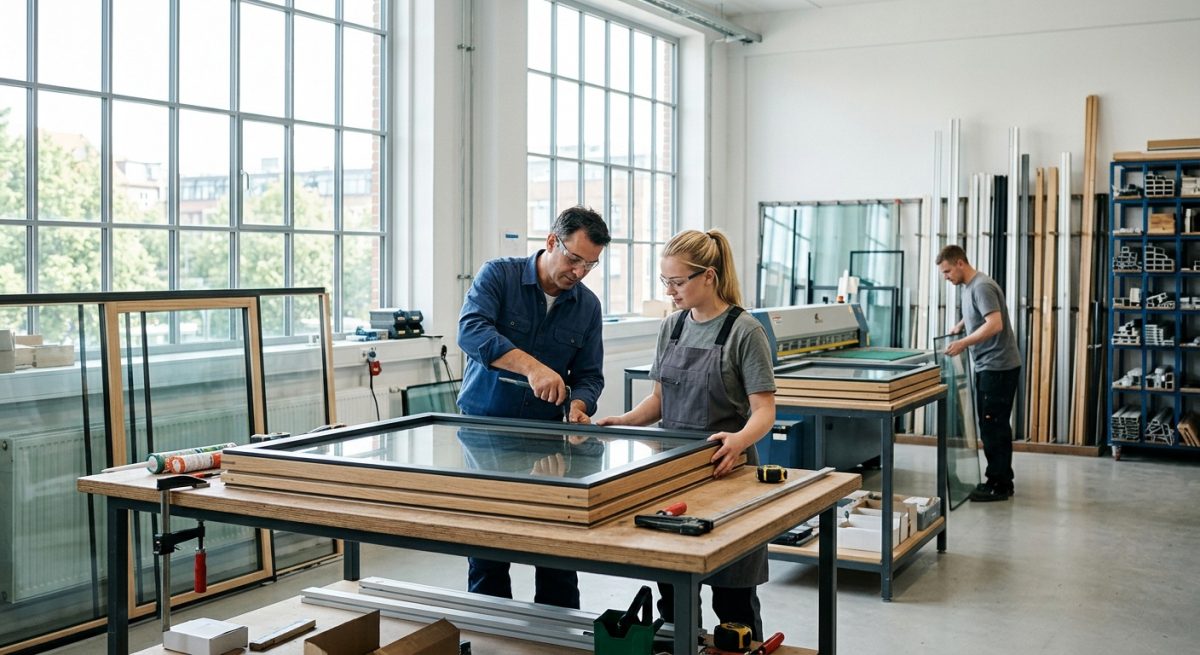
So, what’s the bottom line? Don’t just buy windows; invest wisely. Prioritize understanding your local climate and choose manufacturers who cater to it. Scrutinize materials and glass technology—don’t let anyone gloss over the details. Recognize that installation is as crucial as the product itself. Read warranties with a critical eye, and never skip the step of getting multiple, detailed quotes. Your home, your comfort, and your wallet will thank you for making informed decisions when selecting your window manufacturers.
For Florida’s climate, vinyl and fiberglass are generally the top choices. Vinyl is cost-effective and low-maintenance, while fiberglass offers superior durability and stability against temperature swings and moisture, making it excellent for coastal areas like those near St.
Petersburg. Both resist corrosion better than traditional wood or aluminum frames, and reputable window manufacturers will guide you toward the best option for your specific location.
Check online reviews on platforms like Google, Yelp, and the Better Business Bureau (BBB). Ask for local references and contact them. Ensure the company is licensed, insured, and has been operating locally for a significant period. A reputable manufacturer will be transparent about their products and practices and will have a strong local presence.
Absolutely. Given Florida’s high cooling demands, energy-efficient windows with Low-E coatings and gas fills can significantly reduce your air conditioning load, leading to substantial long-term savings on energy bills.
While the upfront cost is higher, the ROI through reduced energy consumption makes them a worthwhile investment, especially when chosen from manufacturers prioritizing performance.
High-quality windows, when properly installed and maintained, can last anywhere from 20 to 40 years or even longer. Vinyl windows often fall in the 20-30 year range, while fiberglass and premium wood-clad windows can exceed 30-40 years. The lifespan also depends heavily on the quality of the glass seal and hardware, factors that quality window manufacturers prioritize.
You’ve probably been there. You walk into a home, maybe a friend’s or a potential purchase, and you immediately feel it. A draft. A persistent hum of the AC working overtime. Or maybe it’s just the sheer ugliness of faded, warped window frames. This guide is for homeowners in the Tampa Bay area—from Clearwater to Bradenton and everywhere in between—who’re tired of dealing with subpar windows and want to make a smart choice for their next upgrade. Choosing the right window manufacturers is more than just picking a style; it’s about investing in comfort, efficiency, and your property’s long-term value. Get it wrong, and you’ll be paying for it—literally—for years.
“Windows are the eyes of your home. Make sure they’re seeing clearly and keeping the elements out, not letting them in.”
Picking the wrong window manufacturer isn’t just a minor inconvenience; it’s a financial drain and a headache waiting to happen. Especially here in Florida, where the sun beats down relentlessly and humidity is a constant companion, your windows are working overtime. When they’re not up to the task, the consequences can be pretty steep. It’s easy to focus on the upfront cost, but I’ve seen too many homeowners regret not looking beyond the sticker price.
This is the big one, especially in our sweltering Florida summers. Inefficient windows—ones with poor seals, single-pane glass, or no Low-E coatings—allow conditioned air to escape your home and hot outside air to infiltrate. According to ENERGY STAR, replacing old, single-pane windows with new, energy-efficient models can reduce energy bills by 5% to 15%. For a home in the Tampa area, where cooling costs can skyrocket from May through October, that’s not pocket change. We’re talking hundreds, potentially thousands, of dollars saved annually. The U.S. Department of Energy also highlights that windows significantly impact a home’s energy performance, recommending ENERGY STAR certified products for best savings. Investing in high-performance windows from reputable window manufacturers is key to combating these rising costs.
Some window materials are just plain finicky. Cheap vinyl can warp and crack under the intense UV rays. Wood frames, while beautiful, are prone to rot and insect damage in our humid climate if not meticulously maintained. And then there’s the hardware—the hinges, locks, and cranks. If they’re made from low-quality materials, they’ll corrode and seize up, making your windows difficult or impossible to operate. I’ve heard stories from clients in Largo who spent more on constant repairs and replacements than they would have on better windows initially. The long-term cost of cheap components can far outweigh any initial savings, leading to frequent calls for repairs that could have been avoided with better initial choices from your window manufacturer.
Let’s be honest, old, grimy windows make a house look tired. They can be scratched, foggy, or just plain dated. This not only detracts from your home’s aesthetic appeal but can also significantly impact its resale value. A 2025 report by the National Association of Realtors found that updated windows were among the home improvement projects with the highest return on investment.
Buyers in the St. Petersburg market, for instance, are savvy. They’ll notice those worn-out frames and likely factor that into their offer, or worse, pass on your property altogether. Choosing windows from quality window manufacturers can be a significant selling point, enhancing visual appeal and providing tangible value to potential buyers.
This is a mistake I see people make time and time again, especially when they’re new to the area or just looking for the absolute lowest price. They shop online or go with a big national chain without considering who’s actually *making* the windows and what they know about our specific environment. Choosing a local manufacturer isn’t just about supporting the community; it often translates to a better product and service tailored to our unique needs.
Our climate here in Tampa Bay is no joke. We deal with intense sun, high humidity, salty air from the coast (hello, Madeira Beach!), and the occasional hurricane. Local window manufacturers understand these challenges intimately. They design products to withstand salt spray, resist UV degradation, and meet stringent wind-load requirements necessary for hurricane-prone regions. A company based in, say, Zephyrhills, is far more likely to offer windows engineered for these conditions than one operating out of a colder climate. Their proximity also means they’re more attuned to regional building trends and homeowner preferences, offering tailored solutions that national brands might overlook.
Building codes are complex and vary by municipality. Local window manufacturers are typically well-versed in the specific requirements for cities like Tampa, St. Petersburg, and Clearwater. This ensures your new windows won’t only meet safety standards but will also pass inspection without issue. Dealing with a manufacturer unfamiliar with these nuances can lead to costly delays and rework. Understanding and adhering to local codes is a critical function that experienced local window manufacturers provide, saving you time and money.
When something goes wrong—and with any mechanical product, something eventually *can* go wrong—having a local point of contact is invaluable. Need a warranty claim processed? Want to schedule a follow-up service? A local company means quicker response times, easier scheduling, and often, a more personal level of customer care. Trying to get a national company to send someone out to Tarpon Springs for a minor adjustment can be a bureaucratic nightmare. Local window manufacturers can often dispatch service technicians much faster, resolving issues promptly and minimizing disruption.

This is where things get really technical, and frankly, where some manufacturers might try to gloss over the details. The materials used in your windows—the frames, the glass, even the little metal bits—are non-negotiable. They determine durability, energy performance, and how much effort you’ll spend on upkeep. Don’t just assume all windows are created equal. They absolutely are not.
| Material | Pros | Cons | Florida Suitability |
|---|---|---|---|
| Vinyl | Affordable, low maintenance, good energy efficiency | Can warp in extreme heat, limited color options, potential for expansion/contraction | Good, especially multi-chambered profiles. Needs UV-resistant compounds. Reputable window manufacturers offer high-quality vinyl formulations. |
| Wood | Aesthetic appeal, good insulator, classic look | High maintenance (requires sealing/painting), prone to rot and insects in humidity, expensive | Poor unless heavily treated and maintained; generally not recommended for coastal areas like St. Pete Beach. Wood requires constant upkeep in this climate. |
| Fiberglass | Extremely durable, stable in temperature fluctuations, low maintenance, strong, paintable | More expensive than vinyl, fewer manufacturers | Excellent. Resists moisture, UV, and temperature changes well. Great for coastal homes in Sarasota. A premium choice from discerning window manufacturers. |
The frame is only half the story. The glass is crucial for energy efficiency. Look for windows with double-pane or triple-pane construction. More importantly, ensure they have Low-E (low-emissivity) coatings. These microscopic metallic layers reflect heat—keeping the cool air inside during our summers and the warm air inside during those rare cooler spells. Argon or Krypton gas fills between the panes further enhance insulation. According to the U.S. Department of Energy, installing ENERGY STAR certified windows with these features can save homeowners an average of $100 to $500 annually on energy costs. When discussing options with window manufacturers, always inquire about the specific glass package and its performance ratings.
Don’t overlook the hardware. Cheap, plated brass or aluminum hardware will corrode quickly in our salty air. Look for stainless steel or heavy-duty coated options. The operators (the crank handles on casement windows, for example) should feel solid and move smoothly. A window that’s hard to open or close because of corroded hardware is a daily annoyance. I’ve seen instances where the hardware failed long before the frame or glass, leading to premature replacement needs. Quality window manufacturers understand that hardware is a critical component of longevity and performance.
This is perhaps the most critical mistake homeowners make. You can buy the most expensive, top-of-the-line windows from the best manufacturers in the world, but if they’re installed poorly, they’re practically useless. Think of it like buying a high-performance sports car but having a mechanic who doesn’t know how to align the wheels. It just won’t perform as it should.
Improper installation can lead to a host of problems: air leaks around the frame, water intrusion during heavy rains, and even structural damage if the window isn’t properly secured. A poorly sealed window negates all the benefits of energy-efficient glass and frame materials. You’ll still feel drafts, see higher energy bills, and might even deal with mold or mildew issues down the line. This is especially concerning during hurricane season when water intrusion can cause significant damage to your home’s interior. Choosing window manufacturers who either have their own highly trained installation teams or vet their installation partners rigorously is paramount.
Reputable window manufacturers often have a network of certified installers they trust. Always ask your potential manufacturer who they recommend or if they have in-house installation teams. Look for installers with certifications from organizations like the Window & Door Manufacturers Association (WDMA) or those who can provide proof of extensive training and experience specifically with the products you’re considering. Check reviews specifically mentioning installation quality, as this is a direct reflection of the manufacturer’s installation standards.
Once your new windows are installed, don’t just sign off and forget about it. Do a thorough inspection. Here’s a quick checklist:
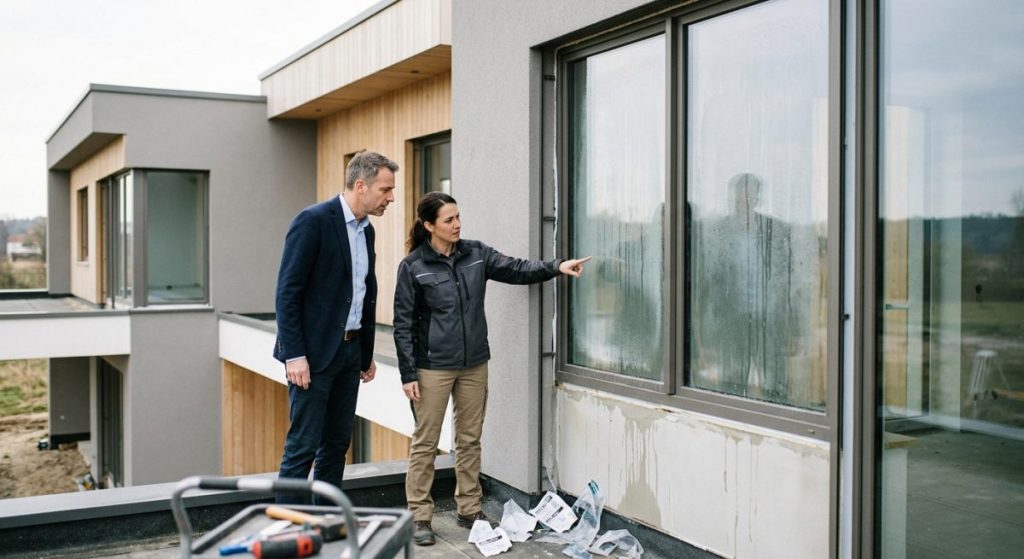
Warranties can be a confusing minefield. Manufacturers often tout “lifetime warranties,” which sounds fantastic, but what does that really mean? I’ve seen too many homeowners discover, only after a problem arises, that their warranty is full of loopholes or has so many exclusions it’s practically worthless. You need to read the fine print.
“Lifetime” typically means the lifetime of the original purchaser, not the house. It also often only covers manufacturing defects, not issues arising from installation, maintenance, or environmental factors. Limited warranties are more specific, detailing exactly what’s covered (e.g., frame integrity for 20 years, glass seal failure for 10 years) and for how long. Be sure to understand the duration and specifics of each component’s coverage. Always clarify with window manufacturers what “lifetime” truly entails for their products.
Common exclusions often include:
A manufacturer based in Clearwater, for example, might have different warranty considerations for salt damage than one inland. Thoroughly reviewing these exclusions with your chosen window manufacturers is essential.
What good is a lifetime warranty if the company that issued it goes out of business in five years? This is a crucial, often overlooked, factor. Before committing, do a quick search on the company. Are they financially stable? Have they been around for a while? Buying from a well-established, reputable manufacturer in the window industry significantly increases the likelihood that their warranty will be honored down the road. This is particularly true for smaller, local outfits—ensure they have a solid track record and a business structure that suggests longevity.
This is basic consumer advice, but it bears repeating. Price variation between different window manufacturers and installers can be substantial. Shopping around isn’t just about finding the cheapest option; it’s about understanding the market, comparing offerings, and ensuring you’re getting fair value for your investment. Relying on just one quote is a recipe for overpaying or settling for less than you deserve.
Get at least three quotes from different window manufacturers and installation companies. This will give you a clear picture of the going rates for the type and quality of windows you’re interested in. When getting quotes for your home in Palm Harbor or Wesley Chapel, make sure each quote is detailed and itemized, specifying the exact products, materials, labor, and warranty terms. This makes apples-to-apples comparisons much easier and helps identify discrepancies in pricing or included services from various window manufacturers.
Don’t let price be the sole deciding factor. A slightly more expensive window from a manufacturer with a better warranty, superior materials, and a proven installation track record might offer far greater long-term value. Consider:
A full quote should cover all these aspects, not just the final dollar amount. Understanding the total value proposition is key when comparing offers from different window manufacturers.
This is a red flag I’ve seen across many industries, and window sales are no exception. If a salesperson is pushing you to make an immediate decision with “today only” discounts or making you feel uncomfortable, walk away. Reputable companies are confident in their products and pricing and will allow you time to consider your options. Informed decisions are always the best decisions, and no reputable window manufacturer should rush you into a purchase.

Let’s look at Sarah, a homeowner in Tampa’s Hyde Park neighborhood. Her original windows, installed in the late 90s, were single-pane and had begun to fog up between the panes. Her AC bills were astronomical, and she hated the constant noise from Bayshore Boulevard traffic filtering into her home.
Sarah initially felt overwhelmed by the options. She got a quote from a national chain that seemed appealingly low but felt pushy. Another quote came from a small, local installer who seemed knowledgeable but only offered one brand. She worried about both the price and the long-term performance, unsure which window manufacturers truly had her best interests at heart.
Instead of rushing, Sarah did her homework. She spoke with neighbors and researched local window manufacturers. She identified two well-regarded companies. She then requested detailed quotes from both, focusing not just on price but on material quality (she opted for fiberglass frames for their durability in the Florida heat and salt air), U-factor and SHGC ratings for energy efficiency, and the warranty details. She confirmed both companies had experienced, certified installers and asked for references. One company, “Gulf Coast Windows” (a fictional name), had a slightly higher quote but offered a more full warranty and had glowing reviews for their installation team, demonstrating a commitment to quality that justified the cost.
Sarah chose Gulf Coast Windows. The installation was completed over two days, with the crew being meticulous about protecting her home. Post-installation, the difference was immediate. The house felt quieter, and the AC cycled much less frequently. Within the first billing cycle, her cooling costs dropped by nearly 20%. The new windows significantly improved the home’s appearance, and Sarah finally felt confident that she’d made a sound investment that would last for years to come, thanks to the quality of the windows and the expertise of the installers.
So, what’s the bottom line? Don’t just buy windows; invest wisely. Prioritize understanding your local climate and choose manufacturers who cater to it. Scrutinize materials and glass technology—don’t let anyone gloss over the details. Recognize that installation is as crucial as the product itself. Read warranties with a critical eye, and never skip the step of getting multiple, detailed quotes. Your home, your comfort, and your wallet will thank you for making informed decisions when selecting your window manufacturers.
For Florida’s climate, vinyl and fiberglass are generally the top choices. Vinyl is cost-effective and low-maintenance, while fiberglass offers superior durability and stability against temperature swings and moisture, making it excellent for coastal areas like those near St.
Petersburg. Both resist corrosion better than traditional wood or aluminum frames, and reputable window manufacturers will guide you toward the best option for your specific location.
Check online reviews on platforms like Google, Yelp, and the Better Business Bureau (BBB). Ask for local references and contact them. Ensure the company is licensed, insured, and has been operating locally for a significant period. A reputable manufacturer will be transparent about their products and practices and will have a strong local presence.
Absolutely. Given Florida’s high cooling demands, energy-efficient windows with Low-E coatings and gas fills can significantly reduce your air conditioning load, leading to substantial long-term savings on energy bills.
While the upfront cost is higher, the ROI through reduced energy consumption makes them a worthwhile investment, especially when chosen from manufacturers prioritizing performance.
High-quality windows, when properly installed and maintained, can last anywhere from 20 to 40 years or even longer. Vinyl windows often fall in the 20-30 year range, while fiberglass and premium wood-clad windows can exceed 30-40 years. The lifespan also depends heavily on the quality of the glass seal and hardware, factors that quality window manufacturers prioritize.
Don’t make these common mistakes when selecting window manufacturers. Contact us today for a free consultation and let our experts guide you to the perfect windows for your Tampa Bay home.
Based on this article, here are products that might help you:

Enjoy exceptional hurricane protection, effortless everyday performance and added ventilation with CWS WindPact impact awning…
View Product
Protect a home with WindPact casement windows from CWS’ highest rated vinyl impact product line….
View ProductDon't make these common mistakes. Contact us today for a free consultation and let our experts guide you to the perfect windows for your Tampa Bay home.

Our editorial team brings years of experience in digital marketing and SEO.